DJI Lito X1 vs Mini 5 Pro: Which Ultralight Drone Belongs in Your Camera Bag?
Dipon | August 2026
Table of Contents
- Quick Spec Comparison: Lito X1 vs Mini 5 Pro?
- Which Drone Has the Better Camera and Image Quality?
- Which Drone Has Better Obstacle Avoidance and LiDAR?
- How Long Do the Lito X1 and Mini 5 Pro Actually Fly?
- Are the Lito X1 and Mini 5 Pro Legal to Fly Without a License in the EU?
- How Much Do the Lito X1 and Mini 5 Pro Cost in Europe?
- Which Drone Should You Actually Buy?
- What Gear Should You Pair With Each Drone?
- Read Next on Aero Timelapse
- FAQ
- Final Verdict
Affiliate Disclosure
This guide contains affiliate links. Purchases made through these links support Aero Timelapse Studio at no additional cost to you. I only recommend products I personally use or carefully research. As an Amazon Associate I earn from qualifying purchases.
Two drones. Same weight class. Almost double the price gap. And somehow the cheaper one is the one most reviewers can’t stop recommending.
That’s the trap of DJI Lito X1 vs Mini 5 Pro: it looks like a simple “spend more, get more” decision until you actually put the footage side by side and realize the extra €380-700 is buying you one specific thing, not a general upgrade. Get this choice wrong and you’re either overpaying for a sensor you’ll never push, or under-buying right before your first paid client asks why the sunset shot looks flat. By the end of this guide you’ll know exactly which failure mode you’re avoiding — and which drone actually matches how you shoot, not how you wish you shot.
Key Takeaways
- The DJI Mini 5 Pro has a 50MP 1-inch sensor with a 24mm f/1.8 lens — nearly triple the sensor area of the Lito X1, and it shows most in low light and dynamic range.
- The DJI Lito X1 has a 48MP 1/1.3-inch sensor, forward-facing LiDAR, and 42GB of built-in storage, all for roughly half the Mini 5 Pro’s price (€419.99 vs €799+).
- Both drones weigh under 249g and fall into the EASA “open category” in most base combos, meaning no EU drone license or remote pilot exam for private hobby flying.
- The Mini 5 Pro adds 225° gimbal roll rotation for true vertical shooting, Nightscape obstacle sensing, and Non-GNSS RTH — features aimed squarely at professional and semi-professional work.
- Both share a flight time rating of 36 minutes on the standard Intelligent Flight Battery, though real-world numbers in Alpine wind run closer to 24–28 minutes.
- If you’re choosing your first drone or want a disposable travel B-cam, the Lito X1 wins on value. If image quality is the deciding factor, the Mini 5 Pro isn’t close.
Quick Spec Comparison: Lito X1 vs Mini 5 Pro?
DJI Lito X1 vs Mini 5 Pro comes down to a straightforward trade: the Lito X1 gives you a genuinely capable camera drone at entry-level pricing, while the Mini 5 Pro gives you a professional-grade sensor in a body that still clears the 249g threshold. Neither is a bad drone — they’re built for different jobs.
| Spec | DJI Lito X1 | DJI Mini 5 Pro |
|---|---|---|
| Sensor | 1/1.3″ CMOS, 48MP | 1″ CMOS, 50MP |
| Aperture | f/1.7 | f/1.8 |
| Max video | 4K/60fps HDR, 4K/100fps slow-mo | 4K/60fps HDR, 4K/120fps slow-mo |
| Dynamic range | Up to 14 stops (10-bit D-Log M) | Up to 14 stops (10-bit D-Log M) |
| Obstacle sensing | Omnidirectional, forward LiDAR | Omnidirectional, forward LiDAR, Nightscape sensing |
| Internal storage | 42GB | None (microSD required) |
| Flight time (rated) | Up to 36 min | Up to 36 min |
| Weight | ~249g | ~249g |
| Gimbal rotation | Standard | 225° roll, true vertical shooting |
| Price | Check current price | Check current price |
Which Drone Has the Better Camera and Image Quality?
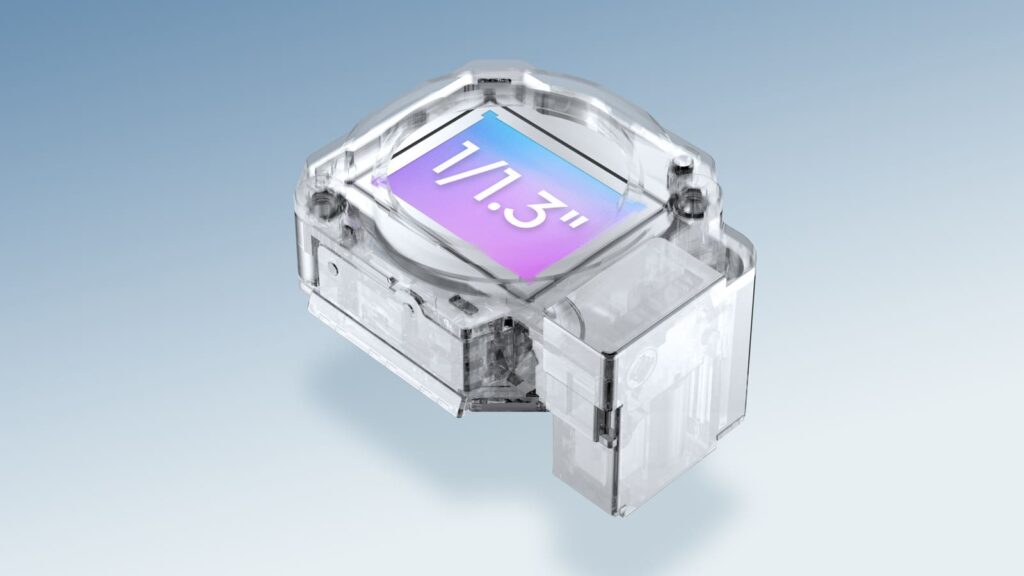
The Mini 5 Pro wins on image quality, and the 1-inch sensor is why. Its sensor is roughly 2.3x the surface area of the Lito X1’s 1/1.3-inch chip, and in dim conditions — dusk shoots over the Danube in Ulm, blue-hour hotel exteriors — that difference is visible without pixel-peeping.
How Much Does the 1-Inch Sensor Actually Matter?
Both drones shoot 4K/60fps HDR with 10-bit D-Log M and a claimed 14 stops of dynamic range on paper. In practice, the Mini 5 Pro holds highlight detail in bright sky noticeably longer before clipping, which matters when you’re grading real estate or hospitality footage against a client’s brand colors.
💡 Pro Tip: If you shoot D-Log M on either drone, don’t skip a proper LUT pass in post — flat footage straight off the SD card looks worse than either drone’s native “Normal” color profile, and it spooks clients who don’t know what they’re looking at.
Is the Lito X1's Camera Good Enough on Its Own?
The Lito X1 isn’t a compromise camera. Its 48MP sensor produces genuinely usable 8K stills, and for social content, real estate listings, and B-roll that isn’t the hero shot, most viewers will never tell the two apart on a phone screen. Where it falls behind is highlight recovery and low-light noise — exactly where the extra sensor area on the Mini 5 Pro earns its keep.
Does Either Drone Shoot True Vertical Video?
Neither camera physically rotates its gimbal for vertical shooting on the Lito X1, but the two drones get there differently. The Mini 5 Pro’s 225° gimbal roll delivers true vertical video at full resolution, while the Lito X1 crops a 9:16 slice out of its 4K frame in-camera, capping vertical output at 2.7K and losing roughly 40% of the sensor area in the process.
Which Drone Has Better Obstacle Avoidance and LiDAR?
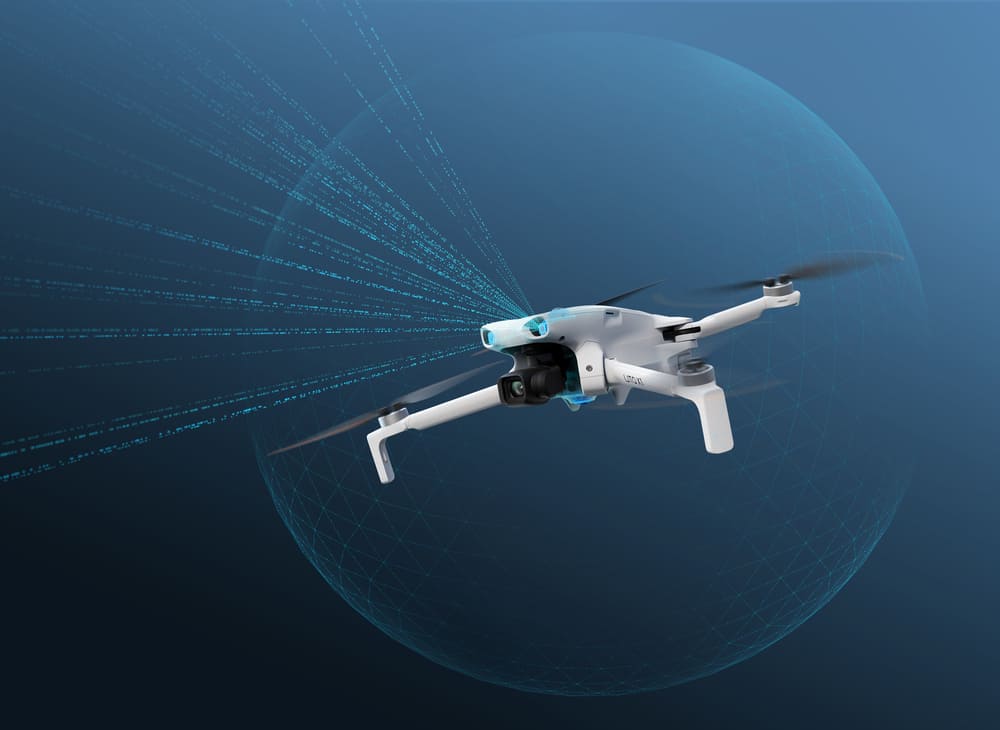
Both drones ship with omnidirectional obstacle sensing and a forward-facing LiDAR sensor, which is unusual generosity at this price point — LiDAR used to be a feature you paid Mavic-series money for. Forward-facing LiDAR on either drone can detect thin obstacles like branches that camera-only sensors are prone to miss during fast ActiveTrack passes.
How Does the Mini 5 Pro's Nightscape Sensing Differ?
The Mini 5 Pro takes it a step further with Nightscape Omnidirectional Sensing and Nighttime Return-to-Home, which actively map obstacles like rooftops and antenna masts even in low light. For dusk-to-dark hyperlapses or event coverage that runs past golden hour, that extra low-light margin is worth having.
⚠️ Warning: LiDAR obstacle avoidance reduces risk, it doesn’t eliminate it. Thin cables, glass, and fine branches can still defeat both systems — treat LiDAR as a safety net, not a substitute for line-of-sight flying discipline, especially near the tighter margins required for drohnenfotograf Ulm rooftop and courtyard work.
How Long Do the Lito X1 and Mini 5 Pro Actually Fly?
Both drones are rated for 36 minutes on their standard Intelligent Flight Battery, and both hit that number in DJI’s controlled test conditions — still air, moderate temperature, cruising altitude. Real-world flight time depends heavily on wind, temperature, and how aggressively you fly.
What's the Real-World Flight Time vs DJI's Rating?
Expect real-world flights, especially in the wind corridors around the Swabian Alps, to land closer to 24–28 minutes on either drone rather than the full 36-minute rating. Cold temperatures and headwind on the return leg are the two biggest factors that eat into that number.
How Does Wind Resistance Compare?
The Lito X1 is rated for 10.7 m/s wind resistance, which covers most of what you’ll encounter shooting real estate or tourism content at low-to-mid altitude. The Mini 5 Pro’s dual-band GNSS (L1 + L5) gives it slightly steadier positioning in marginal GPS conditions — narrow Alpine valleys, dense old-town streets — which translates to less battery burned correcting drift.
If you fly commercially and battery math actually affects your shoot day, run your numbers through our Drone Battery Calculator before you head out — it accounts for wind, temperature, and payload rather than DJI’s optimistic lab figures.
Are the Lito X1 and Mini 5 Pro Legal to Fly Without a License in the EU?
Both drones land at approximately 249 grams, which keeps them just under the EU’s 250g threshold for the lightest regulatory tier. That matters more in Europe than almost anywhere else, because it determines which EASA “open category” subclass applies to your flights.
What's the Difference Between EASA C0 and C1?
Your legal class depends on the specific combo, not just the drone’s weight. The Lito X1’s base combos carry EASA C0 certification; the Fly More Combo Plus with the Intelligent Flight Battery Plus or propeller guards shifts it into C1, which comes with different flight-distance and no-fly-zone rules. The Mini 5 Pro follows the same C0-by-default pattern as its predecessors.
Do You Need the EU-Kompetenznachweis A1/A3?
Under 250g and flown for hobby purposes, you generally skip the EU Kompetenznachweis A1/A3 requirement entirely — but the moment you attach a heavier third-party battery or use the drone commercially, that exemption can disappear.
💡 Pro Tip: Check your specific combo’s certification class on the DJI Store product page before you assume you’re exempt, and when in doubt, hold both the EU-Kompetenznachweis A1/A3 and the Fernpilotenzeugnis A2 anyway — it costs almost nothing and closes the gap if your setup ever tips into a higher class.
How Big Are the Lito X1 and Mini 5 Pro Folded?
Folded, the Lito X1 measures 144 x 94 x 62mm — small enough to disappear into a jacket pocket. The Mini 5 Pro is noticeably larger at 157 x 95 x 68mm folded, and its controller (RC-N3 or the screened RC 2) tends to take up more bag space than the drone itself.
How Much Do the Lito X1 and Mini 5 Pro Cost in Europe?
The Lito X1 starts at €419.99 with the RC-N3 controller included. The Mini 5 Pro starts at roughly €799 for a single battery and controller, climbing to €999 for the Fly More Combo and €1,129 for the Fly More Combo Plus with the screened RC 2 controller.
What's Actually Included in the Box?
That’s nearly double the price for a real, but not proportional, jump in image quality — a ratio that only makes sense if image quality is the specific thing you’re paying for. The Lito X1 also throws in 42GB of built-in storage, which the Mini 5 Pro doesn’t have; you’ll need a microSD card from day one.
For an Immobilien or hospitality shoot in Ulm where a client is paying for the footage, that camera gap is the whole job. For your own weekend flights, it’s a much harder number to justify.
Which Drone Should You Actually Buy?
Buy the Lito X1 If…
You’re a first-time pilot nervous about crashing an expensive drone, you want a genuinely capable travel B-cam that fits in a jacket pocket, or you’re building a stock footage side income and need volume more than pixel-perfect highlights.
Buy the Mini 5 Pro If…
You shoot paid work where clients grade against brand colors, you regularly shoot low-light or nightscape content, or the extra €380-700 is genuinely inconsequential against what the footage earns you.
I recommend most hobbyists start with the Lito X1 or its cheaper sibling covered in our Lito 1 & Lito X1 review, and only step up to Mini 5 Pro money once they know they’ll actually use the extra dynamic range. If your budget or ambitions sit somewhere else entirely, our Best Drones for Beginners 2026 guide covers the full field.
What Gear Should You Pair With Each Drone?
Gear for the DJI Lito X1
DJI Lito X1 Intelligent Flight Battery
For Lito X1 owners planning full-day shoots, the DJI Lito X1 Intelligent Flight Battery is the obvious second purchase — one spare roughly doubles your usable shooting window without adding meaningful bulk.
Best For: extending real-world flight time beyond the rated 36 minutes. Price: from around €55.
DJI Lito X1 ND Filter Set
For anyone shooting midday over water, snow, or bright facades on the Lito X1, the DJI Lito X1 ND Filter Set is what keeps your shutter speed at the correct 180-degree rule without blowing out highlights on bright Alpine days.
Best For: controlling exposure for cinematic motion blur in daylight. Price: from around €40.
Gear for the DJI Mini 5 Pro
DJI Mini 5 Pro Intelligent Flight Battery
For Mini 5 Pro owners who bought the single-battery kit, the DJI Mini 5 Pro Intelligent Flight Battery is the first accessory worth buying — a second battery turns one shoot window into two, which matters most on client days where you can’t just fly home to recharge.
Best For: extending real-world flight time on paid shoots. Price: from around €99.
ND Filter Set for DJI Mini 5 Pro
For midday shoots over water, snow, or bright building facades on the Mini 5 Pro, the Freewell ND Filter Set for DJI Mini 5 Pro keeps your shutter speed locked to the correct 180-degree rule instead of blowing out highlights.
Best For: controlling exposure on the Mini 5 Pro in bright daylight. Price: from around €50.
Read Next on Aero Timelapse
- DJI Lito 1 & Lito X1 Review: DJI’s New Entry-Level Line — the full breakdown of both Lito models side by side.
- DJI Mini 5 Pro Review (2026) — my complete field test after several paid shoots.
- DJI Lito X1 Review — a closer look at the X1 as a dedicated pocket B-cam.
- Best Drones for Beginners 2026 — where both drones fit against the wider sub-249g field.
- Drone Battery Calculator — plan real flight time instead of relying on DJI’s lab numbers.
- Free Drone Weather Checker — check wind and light before you commit to a shoot day.
- Free Drone Shot Planner — map your shot list before you’re standing in a field losing light.
- DJI Mavic 4 Pro vs DJI Air 3S — if 249g ultralights aren’t giving you enough camera, this is the next tier up.
- Drone Laws & Regulations — The Complete Legal Guide for EU Pilots — the EASA class breakdown referenced above, in full.
- Best Time to Fly a Drone for Photography — get more out of whichever drone you choose.
Both of these drones can also be booked as part of a full production — if you’d rather have the footage without buying either one, get in touch and I’ll tell you honestly which approach fits your project.
FAQ: DJI Lito X1 vs Mini 5 Pro
Is the DJI Lito X1 or Mini 5 Pro better for beginners?
The Lito X1 is the better first drone for most hobbyists. It costs about half as much, includes the same LiDAR obstacle avoidance as the Mini 5 Pro, and its lower price makes an early crash far less costly to recover from financially.
Does the DJI Mini 5 Pro really have a 1-inch sensor?
Yes. The Mini 5 Pro is the first sub-250g mini drone from DJI to ship with a 1-inch, 50MP CMOS sensor, roughly 2.3 times the sensor area of the Lito X1’s 1/1.3-inch chip.
Do I need a drone license to fly either drone in the EU?
Both drones weigh under 250g, which typically keeps hobby flights in the EASA open category without a mandatory Kompetenznachweis or Fernpilotenzeugnis — but this depends on the exact combo and certification class (C0 vs C1), so check your specific box before assuming you’re exempt.
Which drone has better obstacle avoidance, the Lito X1 or Mini 5 Pro?
Both use forward-facing LiDAR with omnidirectional obstacle sensing, but the Mini 5 Pro adds Nightscape Omnidirectional Sensing and Nighttime Return-to-Home, giving it a real edge for dusk and after-dark flights.
How long does the DJI Lito X1 actually fly for?
DJI rates the Lito X1 at up to 36 minutes on the standard Intelligent Flight Battery, though real-world flights with wind and maneuvering typically land closer to 24–28 minutes. Carrying a spare Intelligent Flight Battery roughly doubles your usable shoot window.
Is the DJI Mini 5 Pro worth double the price of the Lito X1
It depends entirely on whether image quality is the deciding factor for your work. For paid shoots, low-light content, or anything graded against brand colors, the 1-inch sensor’s dynamic range and noise performance justify the price; for casual or social content, most viewers won’t notice the difference.
Can I use both the Lito X1 and Mini 5 Pro for commercial work in Germany?
Yes, but commercial use in Germany and the wider EU typically requires the EU-Kompetenznachweis A1/A3 at minimum, and often the Fernpilotenzeugnis A2, regardless of the drone’s weight class — the sub-250g exemption applies mainly to private hobby flights.
Does the Lito X1 shoot vertical video for Instagram and TikTok?
It records 2.7K vertical video, but without a rotating gimbal, so vertical framing comes with some crop compromise. The Mini 5 Pro’s 225° gimbal roll gives you true vertical shooting at full resolution instead.
Final Verdict: Which Drone Should You Actually Buy?
If you’re weighing DJI Lito X1 vs Mini 5 Pro purely on value, the Lito X1 wins — it delivers LiDAR obstacle avoidance, a genuinely capable 48MP sensor, and 42GB of built-in storage for less than half the Mini 5 Pro’s price. But value isn’t the only question worth asking.
The Mini 5 Pro’s 1-inch sensor is a real, measurable step up in dynamic range and low-light performance, and if that difference shows up in your invoices, it pays for itself. My honest advice: start with the Lito X1 unless you already know your work demands the bigger sensor — you can always upgrade once a client tells you why you need to.
Still deciding between the two, or wondering whether either fits your specific project? Reach out and I’ll give you a straight answer based on what you’re actually shooting.

Dipon is a drone and timelapse cinematographer based in Ulm, Germany, with over 15 years of experience turning real spaces and projects into cinematic visuals. With a background in digital marketing, every shot is planned with a clear purpose — where it will appear, who will see it, and what it should help them decide.
You May Also Like

How to Shoot a Little Planet Photo With a Drone

Best Drones for Beginners (2026): Safe, Easy Picks + Buying Guide
Why Sensor Size Matters When You’re Buying a Drone
How Weather Affects Timelapse & Drone Shoots
DJI Mavic 4 Pro vs DJI Air 3S
DJI Air 3S Review: The Sweet-Spot Drone for Creators and Professionals

DJI Mavic 4 Pro Review: Is It Worth It for Professional Work? (2026)

Best Prime Week Drone Deals for Creators and Beginners

Drone Laws & Regulations — The Complete Legal Guide for EU Pilots (2026)

Best Timelapse Cameras Under €1,000 in 2026

DJI Lito X1 Review: The Ultimate Pocket-Sized B-Cam for Creators?

Best Time to Fly a Drone for Photography
Need help capturing aerials for your next project but not ready to invest in the gear yet? Check out our Drone Videography to see how Aero Timelapse Studio can help elevate your production.