
Best Time to Fly a Drone for Photography
Dipon | May 2026
Table of Contents
Affiliate Disclosure
This guide contains affiliate links. Purchases made through these links support Aero Timelapse Studio at no additional cost to you. I only recommend products I personally use or carefully research. As an Amazon Associate I earn from qualifying purchases.
You charge your battery, head out on a sunny Saturday afternoon, and fly for 20 minutes. The footage comes back washed out, every field and rooftop uniformly bleached, the landscape looking like a zoomed-in Google Maps tile rather than anything worth publishing. The problem isn’t your drone, your settings, or your location. It’s your timing.
The best time to fly a drone for photography is the 20–60 minutes immediately after sunrise and before sunset, the golden hour. During this window, sunlight enters the atmosphere at a shallow angle, producing warm, directional light with long shadows that give aerial footage genuine depth and texture. No filter, no colour grade, and no camera upgrade replicates it. Good light is only half the equation. See how weather affects your shoot beyond just timing for the full go/no-go picture before you launch.
In this guide I’ll break down every light window, weather scenario, and season you’ll encounter as an aerial photographer, with specific timing, practical camera notes, and real-world experience from shoots across the Dolomites, Lake Como, Hohenzollern, and Southern Germany. By the end, you’ll know exactly when to set your alarm, when to stay home, and how to take full advantage of whatever the sky gives you.
Key Takeaways
- The golden hour, 20–60 minutes after sunrise or before sunset, is the best time to fly a drone for photography in almost every situation.
- Blue hour (20–30 minutes before sunrise / after sunset) produces cool, dramatic light ideal for urban and architectural aerials.
- Early morning wins on wind: boundary-layer winds are typically 30–50% lower before 9 AM than at midday, delivering steadier footage.
- Winter golden hours last longer: in Southern Germany in January, the low sun angle extends warm-light windows to 75–90 minutes.
- Overcast days are underrated: diffuse cloud cover eliminates harsh shadows, making it ideal for real estate and forest photography.
- ND filters are non-negotiable: without them at midday or golden hour, shutter speed becomes too fast for cinematic motion blur.
- Fog is a secret weapon: valley fog at sunrise over the Danube, Rhine, or Alpine foothills creates content that sells on stock platforms at a premium.
What "Best Time" Actually Means for Drone Photography
The best time for drone photography is defined by three intersecting factors. Light quality, wind conditions, and air traffic, not just by what the sky looks like. A sunrise session at 5:30 AM in the Dolomites ticks all three: soft directional light, zero wind, and empty airspace. A Saturday afternoon flight over the Bodensee ticks none.
Light quality is the most obvious variable. The sun’s angle above the horizon determines how directional and warm the light is. When it’s within 6° of the horizon, sunlight travels through significantly more atmosphere, scattering blue wavelengths and leaving warm orange and gold. Shadows stretch long. Surfaces that appear flat at noon suddenly show texture, contour, and depth.
Wind is the factor most hobbyists underestimate. Even 15–20 km/h gusts cause micro jitter on a gimbal and push a DJI Mavic 4 Pro off its hover point, showing in footage as slow drift and stuttered tracking shots. Meteorologically, early morning is the calmest window of the day: the boundary layer stabilises overnight, and thermal driven surface winds don’t develop until the ground heats up, typically from 10 AM onwards.
Air traffic matters for EASA-compliant flights in Germany and Austria. Commercial and recreational traffic below 120m is lowest before 9 AM. Popular spots such as Neuschwanstein, the Zugspitze foothills, Lago di Garda, are also quieter at sunrise, which matters both for safety and for shots without other aircraft visible in frame.
Golden Hour: The Best Time to Fly a Drone
Golden hour is defined as the period when the sun sits between −4° and +6° above the horizon, roughly the first 20–60 minutes after sunrise and the last 20–60 minutes before sunset. Duration varies by season and latitude: in Southern Germany in June it lasts approximately 45 minutes; in January, the low solar angle stretches it to 75–90 minutes. I’ve had warm, directional light persist for nearly two hours on a morning shoot near Hohenzollern Castle in December.
During golden hour, three things happen simultaneously that post-production cannot replicate. The light takes on a warm orange-gold cast (colour temperature drops to 2,000–3,500K from the midday 5,500K). Long, directional shadows reveal texture and depth across the landscape and the reduced contrast range means your drone’s sensor isn’t battling extremes. You can hold detail in both sky and ground in the same frame.
For stock footage sellers: golden-hour clips consistently outperform midday footage on Pond5 and Adobe Stock. Buyers equate that warm, directional light with premium production value. A 10-second golden-hour clip over the Bavarian Alps will outsell the same GPS coordinates shot at noon, every time.
Sunrise Golden Hour vs Sunset Golden Hour — Which Is Better?
Sunrise is technically better: cleaner air, less haze, minimum wind, and no competing drones or tourists. Sunset is practically easier, no 4:30 AM alarm in summer and the accumulated atmospheric dust produces more dramatic orange-red tones. As a rule: sunrise for landscapes and alpine locations, sunset for urban subjects where warm building tones and street activity add visual value. For stock sellers, having both versions of the same location doubles your asset inventory at near-zero extra cost.
How to Plan Your Golden Hour Window
Don’t estimate, use the Golden Hour Planner at Aero Timelapse to get exact golden-hour windows for your specific location and date. Aim to be airborne 10–15 minutes before the window opens; that means on location, motors spooled, and first shot lined up before the light hits. Late arrivals waste the best five minutes.
Before any shoot, run the Drone Shot Planner to map the optimal flight direction relative to the sun. Shooting with the sun behind you produces evenly lit subjects; shooting into it creates clean silhouettes. Both work but only if you’ve planned for them before launch, not while hovering.
💡 Pro Tip: Set your alarm 90 minutes before sunrise. That’s 30 minutes to drive, 15 to set up, and 45 minutes of continuous prime light. I have never once regretted getting up early for a shoot.
Blue Hour: The Window Most Pilots Miss
Blue hour is defined as the 20–30 minutes immediately before civil sunrise and after civil sunset when the sun sits between 4° and 6° below the horizon. The sky glows an even, luminous blue. City lights remain on, but the sky isn’t fully dark. Contrast is manageable. It is the most cinematic natural light state available to a drone pilot, and most people are either still asleep or already driving home when it happens.
For aerial photography, blue hour is unbeatable over cities and lit infrastructure. On a shoot over Ulm’s Altstadt, the combination of the illuminated Münster spire, amber street lights, and deep blue sky created a 30-second clip that became the top-performing asset in my Pond5 portfolio that quarter. That balance between artificial warmth and natural cool simply cannot be manufactured in post.
The challenge is brevity. You have 15–20 usable minutes, not the 45-minute window golden hour provides. Know your shot before you launch. Have the composition dialled in from the golden-hour session that preceded it (at sunset) or planned the night before (pre-dawn). You are not scouting during blue hour. You are executing.
Blue Hour for Aerial Timelapse
Blue hour is the pivotal transition point in a holy grail timelapse. A continuous day-to-night shot that moves through golden hour, blue hour, and full darkness in a single clip. This technique demands careful interval timing as exposure changes dramatically across that window. The Timelapse Interval Calculator helps you set correct intervals for each phase, and the Manual Drone Camera Settings guide covers the full day-to-night exposure workflow in detail.
⚠️ Warning: EASA and LBA rules require visual line of sight (VLOS) at all times. Blue-hour flights in winter happen in near-darkness. Ensure your drone has active strobe lighting, verify your local airspace class, and check that your specific model is approved for twilight operations under your EASA category.
Midday Light: When to Fly and When to Wait
Midday light is defined as direct overhead sun at 5,500–6,500K, neutral white, high contrast, and shadow-free. For most landscape and architectural drone photography, this is the worst light of the day. Overhead sun flattens terrain, blows out reflective surfaces, and forces exposure compromises that sacrifice either sky detail or ground detail.
That said, three conditions make midday work and knowing them prevents you from grounding your drone on otherwise flyable days.
Full overcast changes everything. A thick, even cloud layer diffuses the sun into soft, directionless light that works beautifully for real estate (even shadow detail across the full property), forest canopy, and any subject where texture on horizontal surfaces matters more than dramatic shadow play. Several of my best-performing commercial real estate clips for clients around the Bodensee were shot at 11 AM under solid cloud.
Top-down abstract patterns: agricultural field geometry, industrial rooftop layouts, harbour structures are largely independent of shadow direction. When your composition depends on shape and colour rather than light quality, midday is perfectly serviceable.
Snow and frozen water at altitude perform well in clear midday light in winter, because blue-sky reflection and pure white surface create their own inherent contrast. A frozen Alpsee or Forggensee at noon in January can be genuinely stunning.
Overcast Days: The Hidden Gem
Full overcast acts as a giant softbox: dynamic range drops dramatically, colours reproduce more accurately, and the camera captures even detail across the entire frame. Real estate and architectural drone photographers should actively seek overcast windows rather than waiting for sun.
💡 Pro Tip: Not all overcast is equal. Broken cloud cover, patchy sun with shadows racing across the ground is the worst condition for aerial photography. Exposure shifts constantly and no ND combination compensates fast enough. Full overcast or full sun; avoid the in-between.
Using ND Filters for Midday Shooting
Midday light forces your shutter speed to 1/2000s or higher without ND filters, too fast for the motion blur that makes aerial video look cinematic. To hold the 180° shutter rule (shutter speed = 2× frame rate) at 4K/50fps, you need ND64 to ND256 in direct Southern German summer sun.
For that full range without multiple separate purchases, I recommend the Freewell ND Filter Set , ND4 through ND256, DJI Mavic compatible, around €60–80 on Amazon.de. It covers every condition from heavy overcast to hard midday sun in a single kit.
Best For: Hobbyists and stock shooters building their first filter kit. Pair it with the ND Filter Calculator to find the exact strength for your scene.
For midday shooting over water, rivers, or glass-façade architecture, ND alone won’t eliminate surface glare, that requires polarisation.
Wind, Weather, and Clouds: The Variables Most Pilots Ignore
Getting the light right is half the job. Arriving at a perfect golden-hour location to find 35 km/h gusts is a frustrating waste of an early alarm. Weather planning is as important as light planning and the two don’t always align.
Safe Wind Speeds for Drone Photography
Safe wind speed for drone photography means staying below 15–20 km/h (Beaufort 3–4) for smooth, stable footage. Consumer drones are rated to 10–12 m/s (36–43 km/h) maximum wind resistance. That is the flying ceiling, not the filming ceiling. Above Beaufort 4, gimbals begin fighting visible wind correction and hover positions drift noticeably in slow tracking shots.
Always measure wind at your actual launch location rather than relying on weather app forecasts, which report conditions at met-station height — not at your takeoff point.
Reading the Sky: Fog, Dramatic Clouds, and the Magic Window
Valley fog is the most underrated opportunity in aerial photography. Ground fog filling a river valley. Common on autumn and spring mornings in the Rhine valley, the Danube near Ulm, and the pre-Alpine foothills creates otherworldly footage when you climb 60–80m above the cloud layer. Hilltops, castle towers, and church spires emerging from a white sea are premium stock content. Check valley fog forecasts on Windy.com or UAV Forecast the night before. The window is short, typically 20–40 minutes after sunrise before it burns off.
Dramatic clouds around cold fronts and post-storm clearances are equally valuable. Some of my most-licensed stock clips were shot 20 minutes after a thunderstorm cleared over Lago di Garda: sharp air, orange light raking under the retreating cloud base, and an entirely empty airspace.
⚠️ Warning: Flying near storm systems or in fog carries serious legal and safety risks. EASA regulations prohibit flight in horizontal visibility below 1,500m in Germany without specific authorisation. Never fly within 1.5 km of active thunderstorm cells.
Seasonal Timing for Drone Photography Across Europe
The same location at different times of year is effectively different content. The Dolomites in October with larches turning gold are commercially distinct from the same peaks in July, identical GPS coordinates, completely different footage. Seasonal planning determines what your drone photography is worth, both creatively and on stock platforms.
Spring and Autumn: The Most Rewarding Seasons
Spring (April–May) and autumn (September–October) are the best all-round seasons for drone photography in Central Europe. Both offer lower temperatures (less heat shimmer), dramatic weather patterns with interesting cloud formations, and visually distinct content. Spring brings fog over river valleys, cherry blossoms, and the vivid first green of Alpine meadows. Autumn delivers larch gold in the Dolomites and Allgäu, ochre vineyards in Franconia, and the misty morning atmosphere of German river valleys that simply doesn’t exist in summer.
Both seasons also feature golden hours at civilised times. Around 6–7 AM rather than 4:30 AM in June. For hobbyists with day jobs, spring and autumn golden hours are actually achievable.
Summer in the Alps and Southern Germany
Summer gives you sunset golden hour until 9:30 PM, is a genuine advantage. But it gives the same window to everyone else. Popular locations like Königssee, the Zugspitze foothills, and the Drei Zinnen are heavily trafficked from June through August. Sunrise is your best weapon: at 5 AM these locations are entirely yours. If you’re building a travel portfolio across European locations, the Best Travel Drones 2026 guide will help you choose the right kit for varied Alpine conditions.
Summer also brings thermal turbulence from 11 AM onwards. Flying over asphalt, dark rock, or open fields introduces micro-jitter that shows as shimmer in footage, largely uncontrollable and rarely the effect you planned for.
Winter: When Low Sun Angles Work in Your Favour
Winter is consistently underrated. From November to February in Southern Germany, the sun never rises above roughly 25° at its peak, meaning golden-hour quality light, with long shadows and directional side-lighting, persists for most of the short day. A 10 AM January flight near Hohenzollern or over the Allgäu pre-Alps delivers imagery that a summer afternoon at the same time simply cannot match.
Snow simplifies composition: it reduces ground detail to pure white, forcing the eye to shapes, shadows, and patterns. Frozen lakes become natural reflectors. The one practical challenge is battery performance is that cold temperatures reduce LiPo capacity by up to 30% below 0°C. Store batteries inside until launch, fly your first battery conservatively, and plan for shorter sessions than your specs suggest.
Related Guides on Aero Timelapse
The next logical steps, depending on where you are in your journey:
- Golden Hour Planner — Enter your location and date; get exact golden-hour open and close times so you set the right alarm, not a rough one.
- Drone Shot Planner — Use this the night before to map sun angle, flight direction, and composition before you’re standing in a field wondering which way to face.
- ND Filter Calculator — Tells you exactly which ND strength to reach for based on your conditions, frame rate, and target shutter speed.
- Timelapse Interval Calculator — Set the correct interval for golden-hour and blue-hour timelapse sessions, including the tricky transition phase.
- Manual Drone Camera Settings Guide — The settings companion to this article: ISO, shutter, white balance, and colour profiles matched to every light condition.
- The Complete Drone Videography Guide (2026) — If this article covered the when, this covers the everything else: composition, settings, workflow, and regulation in one place.
- Best Drones for Beginners 2026 — Still choosing your drone? Start here before your first golden-hour session.
- Best Drones Under 500 Euro 2026 — The best value-per-image options for hobbyists in Europe, with honest low-light performance assessments.
- Best Travel Drones 2026 — The compact drones best suited for golden-hour and blue-hour footage across European locations.
FAQ: Best Time to Fly a Drone for Photography
What is the best time of day to fly a drone for photography?
The best time to fly a drone for photography is during the golden hour, the 20–60 minutes after sunrise or before sunset. During this window, sunlight travels at a low angle through the atmosphere, producing warm, directional light with long shadows that give aerial footage genuine depth and texture. For urban and architectural subjects, the blue hour immediately before sunrise or after sunset is equally compelling. As a general rule: sunrise for landscapes, sunset for cities, and early morning for the calmest flying conditions.
What is drone golden hour and why does it matter?
Drone golden hour is the period when the sun is between 0° and 6° above the horizon, roughly the first and last 30–60 minutes of daylight. The low sun angle means light travels through more atmosphere, scattering into warm orange-gold tones at 2,000–3,500K. For drone photography, this window combines optimal light quality, minimum wind (especially at sunrise), and reduced air traffic. In Southern Germany in winter, low solar angles extend this to 75–90 minutes of warm, directional light that persists for most of the short day.
Is sunrise or sunset better for drone photography?
Sunrise is technically better: cleaner air, less haze, minimum wind, and no competing drones or tourists. Sunset is practically easier. No 4:30 AM alarm in summer and accumulated atmospheric dust produces more dramatic orange-red tones. As a rule, sunrise for landscapes and alpine locations, sunset for urban subjects where warm building tones and street activity add visual value. For stock sellers, having both versions of the same location doubles your asset inventory at near-zero extra cost.
Can you fly a drone on a cloudy day?
Yes. Full overcast is often the preferred condition for real estate, forest, and architectural drone photography. Thick cloud cover acts as a giant diffuser, reducing dynamic range and allowing the camera to expose the full scene evenly. The condition to avoid is broken cloud cover, where patchy sun causes rapid, unpredictable exposure shifts no ND filter can compensate for in real time. Full overcast or full sun; avoid mixed conditions for professional or stock work.
What wind speed is safe for drone photography?
For smooth, stable footage, keep wind below 15–20 km/h (Beaufort 3–4). Consumer drones are rated to 10–12 m/s (36–43 km/h) maximum resistance, that is the flying ceiling, not the filming ceiling. Above Beaufort 4, gimbals fight visible corrections and hover positions drift noticeably. Measure actual wind at your launch location with a compact anemometer rather than relying on forecasts, which report at met-station height, not at ground level.
What ND filter do I need for golden hour drone footage?
For golden hour at 4K/50fps using the 180° shutter rule (target shutter = 1/100s), you typically need ND8 to ND32 depending on scene brightness. As the sun nears the horizon, ND4–ND8 is usually sufficient. In post-sunset blue hour, you may need no ND at all. Use the ND Filter Calculator to find the exact strength for your conditions and frame rate. The Freewell ND Filter Set covers ND4 through ND256 in one kit — from pre-dawn blue hour to direct midday sun. Best For: Hobbyists and stock shooters who want a complete solution from a single purchase.
What season is best for drone photography in Germany and the Alps?
Autumn (September–October) is the most versatile season in Central Europe: golden larch forests in the Dolomites and Allgäu, morning fog in river valleys, dramatic cloud formations, and golden-hour windows at practical times around 7 AM. Spring (April–May) is a close second for the same meteorological reasons. Summer offers spectacular light but demands 4:30–5 AM starts and heavy location competition. Winter is consistently underrated as low sun angles deliver near-golden-hour light quality throughout the short day, and snow transforms familiar locations into high-value stock content.
Conclusion
The single most impactful change you can make to your drone photography, before any gear upgrade, before mastering manual settings, before scouting a better location is flying at the right time of day. Set your alarm an hour earlier. Be on location before the golden-hour window opens. Let the light do the work your camera can’t.
Start now: use the Golden Hour Planner to find your exact window for tomorrow, then use the Drone Shot Planner to map your composition before you arrive. For everything else, settings, composition, workflow and regulation, The Complete Drone Videography Guide is your next stop.
Good light is free. Getting up for it is the only cost.
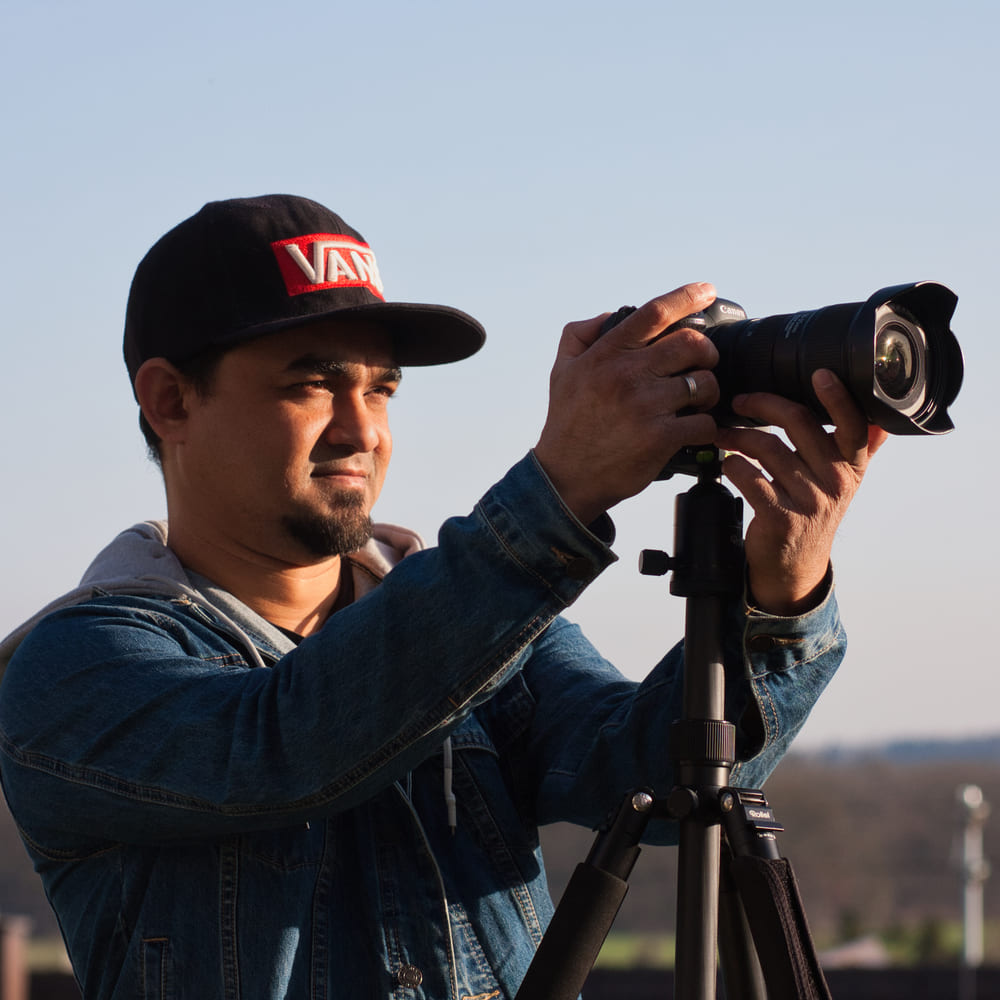
Dipon is a drone and timelapse cinematographer based in Ulm, Germany, with over 15 years of experience turning real spaces and projects into cinematic visuals. With a background in digital marketing, every shot is planned with a clear purpose — where it will appear, who will see it, and what it should help them decide.
You May Also Like
How to Shoot Milky Way Photos for Stacking
How to Shoot a Little Planet Photo With a Drone
Best Drones for Beginners (2026): Safe, Easy Picks + Buying Guide
Why Sensor Size Matters When You’re Buying a Drone
Timelapse vs Hyperlapse : What’s the Difference?
How Weather Affects Timelapse & Drone Shoots
DJI Lito X1 vs Mini 5 Pro: Which Ultralight Drone Belongs in Your Camera Bag?
DJI Mavic 4 Pro vs DJI Air 3S
DJI Air 3S Review: The Sweet-Spot Drone for Creators and Professionals
DJI Mavic 4 Pro Review: Is It Worth It for Professional Work? (2026)

Best Prime Week Drone Deals for Creators and Beginners
Drone Laws & Regulations — The Complete Legal Guide for EU Pilots (2026)
Need help capturing aerials for your next project but not ready to invest in the gear yet? Check out our Drone Videography to see how Aero Timelapse Studio can help elevate your production.