DJI Lito 1 & Lito X1 Review: DJI’s New Entry-Level Line Takes On the Mini Series
Dipon | April 2026
Table of Contents
Affiliate Disclosure
This guide contains affiliate links. Purchases made through these links support Aero Timelapse Studio at no additional cost to you. I only recommend products I personally use or carefully research. As an Amazon Associate I earn from qualifying purchases.
You’ve been flying your DJI Mini 3 for two years. You love the sub‑250g freedom. But lately you’ve been eyeing that 1/1.3‑inch sensor in the Lito X1 announcement, wondering if DJI finally packed enough camera into a beginner‑priced package to justify an upgrade. Or maybe you’re buying your first drone ever and the Lito 1’s €299‑range price tag just caught your eye.
Either way, you’re in the right place.
In this review, I break down everything confirmed so far about the DJI Lito 1 and DJI Lito X1 — their specs, where they sit in DJI’s ecosystem, which type of creator each one is built for, and how they stack up against each other. This article is based on official DJI specifications and early verified information, not hands‑on flight testing, and I’ll be clear when I’m extrapolating from DJI’s track record versus citing confirmed specs.
If you’re reading from the US and wondering why the DJI Lito X1 is not available in the US, the answer is the FCC’s December 2025 Covered List decision — we’ve covered the full story in a dedicated article.
Quick Answer:
- Buy the DJI Lito 1 if you’re a beginner or casual travel shooter who wants reliable 4K/60 video and a safety net on a budget. Clean output in good light, no log, no internal storage.
- Buy the DJI Lito X1 if you’re a semi‑pro creator who needs a 1/1.3‑inch sensor, 10‑bit D‑Log M, HDR 4K/60, and LiDAR obstacle avoidance — a sub‑250g drone that can genuinely deliver on client work.
What Are the DJI Lito 1 and Lito X1? Where Do They Fit?
Before you fly, make sure you understand your local sub‑250g rules and registration requirements — the rules differ slightly between countries even within the EU.
- DJI Lito 1 — Built for budget‑conscious beginners and casual travellers who want capable 4K video and a safety net of omnidirectional obstacle sensing without paying a premium for professional image quality tools.
- DJI Lito X1 — Built for more serious creators who want a sub‑250g platform that can actually deliver log colour profiles, HDR footage, and dynamic range that holds up in paid work or demanding content creation workflows.
Specifications: Lito 1 vs. Lito X1
| Spec | DJI Lito 1 | DJI Lito X1 |
|---|---|---|
| Weight | < 249g | < 249g |
| Sensor | 1/2‑inch | 1/1.3‑inch |
| Resolution | 48 MP | 48 MP |
| Max Video | 4K/60, 4K/100 | 4K/100fps, FHD/200fps |
| Log Profile | — | 10‑bit D‑Log M |
| Obstacle Avoidance | Omnidirectional | Omnidirectional + front LiDAR |
| Internal Storage | ~22 GB | 42 GB |
| EU Category | C0 | C0 |
| Price | Check Latest Price | Check Latest Price |
Sensor and Image Quality
The sensor gap is where the two drones meaningfully diverge. The 1/2‑inch sensor in the Lito 1 is solid for bright‑light shooting — expect clean 4K footage for social media, YouTube travel content, and daylight real estate. At ISO 800 and above, noise will become noticeable in darker scenes, which is a normal limitation of this sensor class.
The Lito X1’s 1/1.3‑inch sensor is a genuinely different tool. A larger sensor captures more light per pixel, which translates directly into better low‑light performance, more usable dynamic range, and — critically — more detail to work with in post. Combined with 10‑bit D‑Log M recording, this sensor gives colorists and semi‑pro editors real latitude to grade and recover highlights and shadows in a way that 8‑bit footage simply cannot match.
Video Modes
Both drones shoot 4K at 60fps, which is the practical baseline for smooth drone footage in 2026. The Lito 1 adds 4K/100fps, which opens up moderate slow‑motion options directly from the drone without upscaling — useful for social content and dynamic travel reels.
The Lito X1 focuses its video spec on HDR 4K at 60fps instead of the higher frame rate. If you’re shooting for clients, broadcast, or any platform where colour fidelity and dynamic range matters more than slow‑motion — the X1’s HDR mode is the stronger card.
Obstacle Avoidance
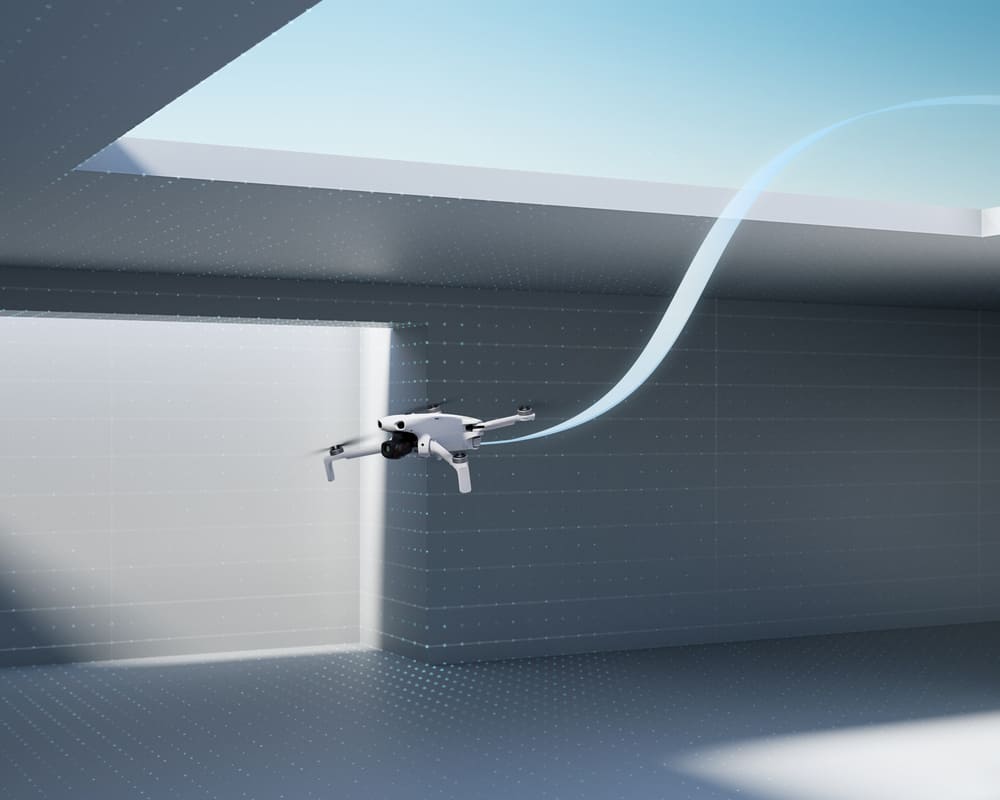
Both drones include omnidirectional obstacle sensing, which is notably more comprehensive than the downward/forward‑only sensing on older entry‑level DJI models. For beginners especially, this is a significant safety net.
The X1 adds LiDAR‑assisted obstacle avoidance, which performs more reliably in low‑contrast environments (grey walls, overcast conditions, glass) where vision‑based sensors can struggle. If you’re planning to fly in complex environments — around architecture, in urban canyons, or at dawn and dusk — the LiDAR layer on the X1 is a meaningful upgrade.
Internal Storage
The 42 GB of internal storage on the Lito X1 is worth calling out. Anyone who has scrambled for a spare microSD card on location will appreciate not needing to carry one for a full day’s shoot. The Lito 1 doesn’t appear to include built‑in storage based on current information, so a quality card is essential — and a good investment either way.
Flight Performance and Safety
Note: The following is based on official specs and DJI’s established track record with sub‑250g drones at this level. Personal flight testing has not been conducted at time of writing.
Both drones target beginner‑to‑intermediate pilots, and DJI’s Return to Home (RTH), low‑battery protection, and GPS hover stability have been well‑proven across the Mini series. Expect similar behaviour here — stable hover, responsive controls, and automated safety recovery that makes mistakes recoverable.
For wind resistance, DJI typically rates sub‑250g models at around Level 5 wind resistance (up to 38 km/h). Neither drone is a production cinema drone in gusty mountain conditions, but for most recreational and light commercial scenarios — including golden hour landscape shooting and real estate overflights — this is entirely workable.
The Lito X1’s LiDAR‑assisted avoidance gives it a practical edge for complex environments and reduced‑light flying, which matters if you’re planning to push the 1/1.3‑inch sensor into the dusk‑to‑dark conditions it was designed for.
source: mynewsdesk.com
Camera Quality and Creative Potential
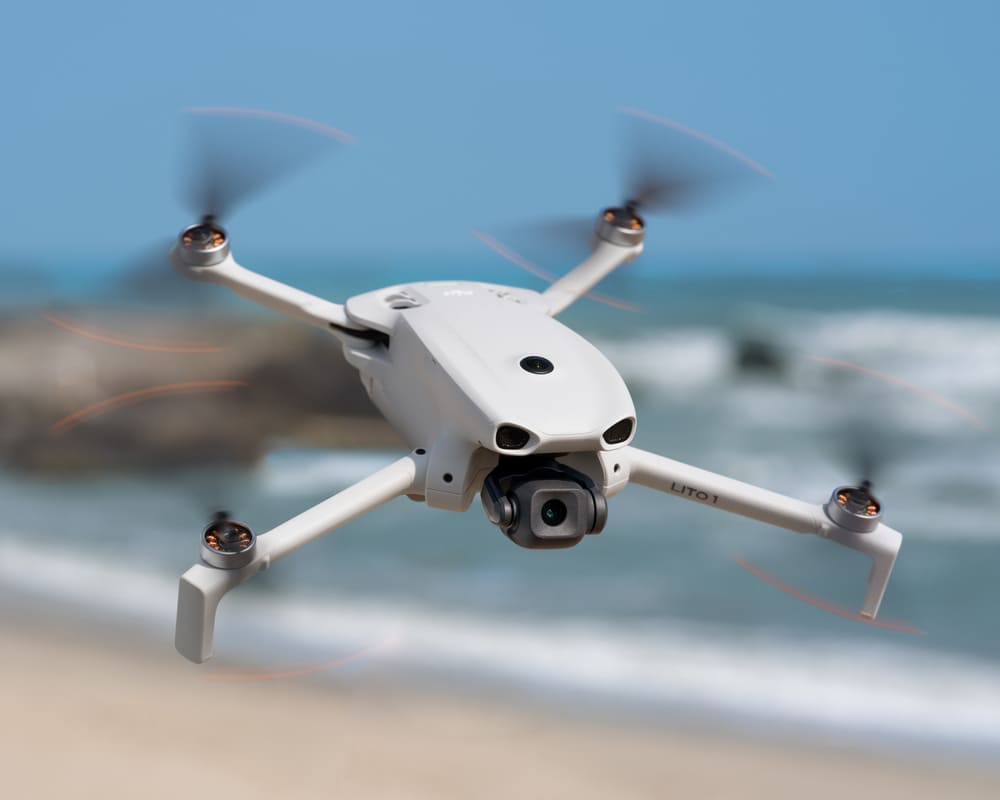
DJI Lito 1: For Beginners and Content Creators
If you’re new to drone shooting, the Lito 1’s camera will exceed your expectations in good light. 4K/60 with a 48 MP still option is more than enough for YouTube, Instagram Reels, TikTok, and travel documentation. The sensor’s limitation shows in golden hour and beyond — you’ll want to expose carefully and avoid pushing ISO — but for the target audience, the output is genuinely impressive.
For timelapse and hyperlapse work, the Lito 1 should integrate naturally with DJI Fly’s built‑in hyperlapse modes (Circle, Course Lock, Waypoint, Free). Stationary timelapse sequences in good light are completely achievable with this drone — a great entry point before moving into more demanding intervals and grading workflows.
I would reach for the Lito 1 for: European city travel, architectural tourism shots in daylight, social‑first content creation, and anyone building their first drone footage library.
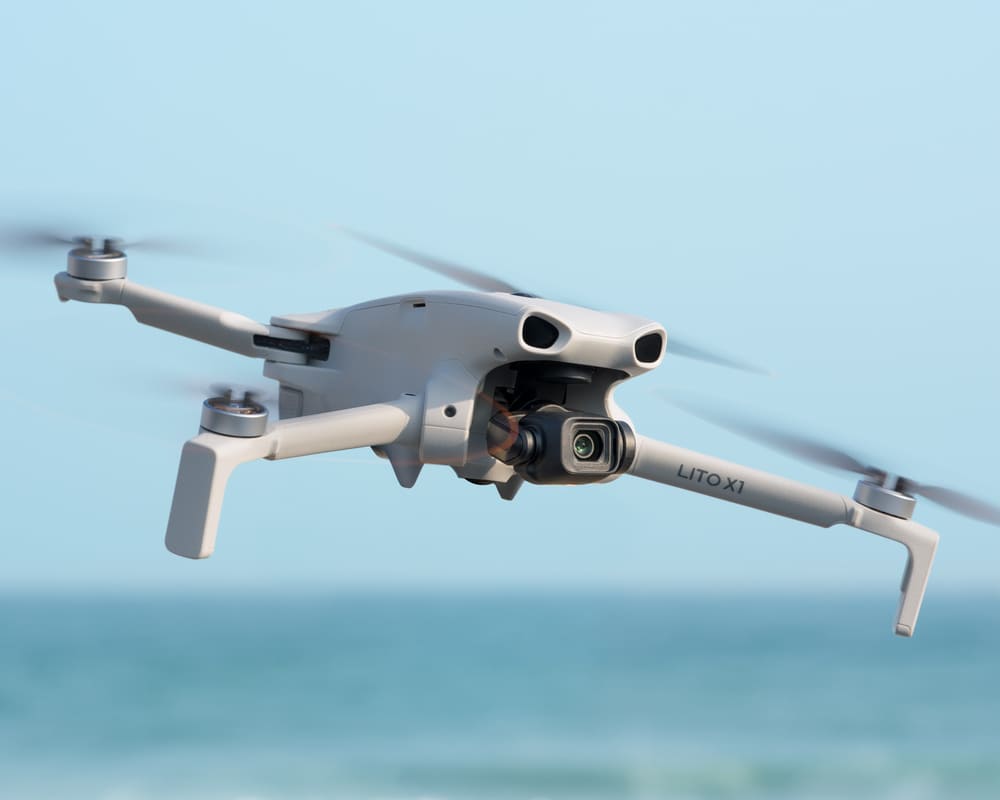
DJI Lito X1: For Semi-Pro and Serious Creators
The 1/1.3‑inch sensor with 10‑bit D‑Log M changes the creative ceiling substantially. This is the sensor class where you start shooting golden hour footage that genuinely looks cinematic without heavy Lightroom work — where low‑light cityscapes hold detail in both the shadows and the blown highlights of street lights.
For aerial timelapse over city landscapes or landscapes at dusk, the X1’s dynamic range advantage means you can capture the transition from day to night without clipping skies or losing shadow detail — the same principle that makes larger sensors essential for holy grail timelapse on the ground.
The 42 GB internal storage and LiDAR avoidance make the X1 a serious tool for semi‑professional work — real estate, tourism content, short‑form commercial production. It won’t replace a Mavic 3 Pro for high‑end cinema work, but for sub‑250g freedom with genuinely usable colour science, this is a significant step forward for the entry‑level category.
I personally would choose the X1 if I were shooting anything destined for a client deliverable or a commercial social campaign where the footage needs to grade cleanly. The sensor and log profile are that meaningful a difference.
Ease of Use, App Experience, and Workflow
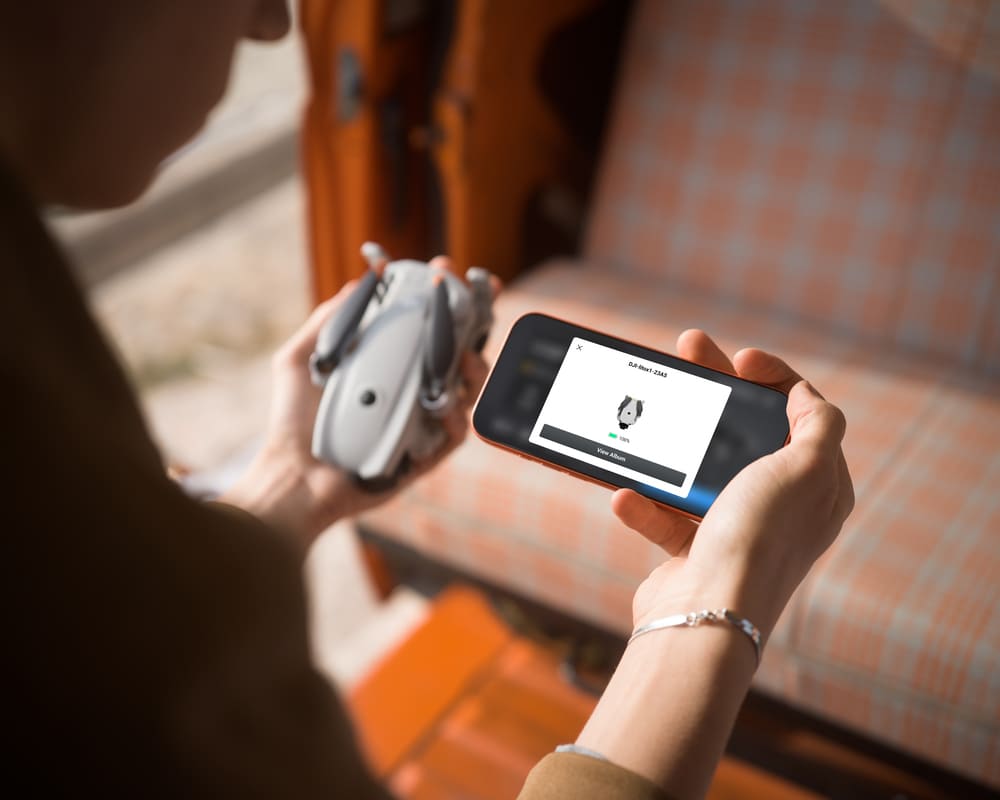
Both drones run through the DJI Fly app, which is DJI’s established beginner‑friendly interface. Based on every current DJI entry‑level model, expect: one‑tap QuickShots (Dronie, Helix, Rocket, Boomerang, Asteroid, Circle), MasterShots automated sequences, and the built‑in hyperlapse modes mentioned above.
For the AeroTimelapse workflow specifically — if you’re planning to shoot RAW timelapse sequences for grading in Lightroom or processing through LRTimelapse — the X1’s 10‑bit D‑Log M gives you the closest thing to a “real” colour science pipeline in a sub‑250g package. Lito 1 footage will edit cleanly in DaVinci Resolve or Premiere Pro at 4K, but the tonal latitude is not comparable.
Before heading out, use the free ND Filter Calculator to pick the right filter strength and keep your shutter speed under control for smooth, cinematic motion — essential for both 4K video and timelapse intervals.
This section is based on DJI’s established Fly app ecosystem applied to this product category — app‑specific features for Lito will be confirmed after product release.
source: mynewsdesk.com
Which One Should You Buy?
Choose the DJI Lito 1 if:
This is your first drone and you want the safest, most accessible entry point.
Your content goes to social media, YouTube, or personal travel archives — not client deliverables.
Budget is a genuine constraint and you want maximum value at the lowest price.
You fly primarily in good light and don’t need log profiles or grading latitude.
Choose the DJI Lito X1 if:
You’ve flown before and you’re ready for a tool that matches your skill level.
You want footage that grades cleanly — you’re using D‑Log, colour wheels, and a proper NLE.
Low‑light performance matters to you: golden hour, cityscapes, dawn fog timelapse.
You do any kind of paid or semi‑commercial work where quality is non‑negotiable.
You want to shoot and go without worrying about carrying a memory card.
Read Next on Aero Timelapse
The complete guide: Best Drones: The Complete Buyer’s Guide (2026) — every category, every use case, one place.
Property work: Best Drones for Real Estate Photography — specific recommendations for estate agents, developers, and architects.
Still deciding? Drone Buying Checklist: Everything You Need to Check Before You Buy (2026) — the audit to run before any purchase decision.
Develop your skill set: The Complete Drone Videography Guide (2026) — EU regulations, cinematic technique, and commercial workflow in one guide.
Camera settings: Manual Drone Camera Settings: ISO, Shutter, Aperture Explained — exposure control for professional-grade output.
Free tools: ND Filter Calculator · Timelapse Interval Calculator · Stock Footage Metadata Generator · Drone Hyperlapse Calculator
Frequently Asked Questions
Is the DJI Lito 1 good for absolute beginners?
Yes. The DJI Lito 1 is one of the most beginner‑friendly drones DJI has announced, combining sub‑249g weight (minimal EU registration requirements), omnidirectional obstacle avoidance, GPS‑stabilised hover, and a straightforward DJI Fly app interface. Its 4K/60 camera with 48 MP photos covers everything a first‑time pilot needs for social media and travel content. The main limitation is image quality in low light — beginners should plan to shoot in good lighting conditions until they’re comfortable with manual exposure.
Is the DJI Lito X1 worth the extra money over the Lito 1?
For serious content creators, yes. The Lito X1’s 1/1.3‑inch sensor, 10‑bit D‑Log M recording, HDR 4K/60, and LiDAR‑assisted obstacle avoidance represent a genuine step up in both image quality and operational safety. If your footage is going anywhere other than casual personal use — client work, paid social campaigns, or anything you’ll colour grade — the X1’s larger sensor and log profile will make a visible difference in the final result.
Can I fly the Lito series without registration in the EU?
Both the Lito 1 and Lito X1 weigh under 249g, placing them in the C0 category under EASA regulations. In most EU countries, C0 drones can be flown without formal registration for recreational use, though you must still follow local airspace rules — including no‑fly zones, altitude limits, and distance from people. Rules vary by country, so always check your specific national aviation authority before flying.
Is the DJI Lito X1 capable enough for paid client work?
Based on confirmed specifications — 1/1.3‑inch sensor, 10‑bit D‑Log M, HDR 4K/60, and LiDAR obstacle avoidance — the Lito X1 should be capable of professional‑quality output for real estate, tourism, and light commercial video production. It won’t match a Mavic 3 Pro or DJI Air 3S for pure image quality, but for clients who need usable aerial footage for marketing content, social campaigns, or property listings, the X1’s output should be fit for purpose. Verify this against hands‑on footage once the drone is publicly available.
How does the Lito series compare to the older DJI Mini 3 / Mini 4K?
The Lito series is the direct replacement for the non‑Pro Mini line. Both Lito drones improve on the Mini 4K with omnidirectional obstacle sensing (the Mini 4K had downward sensing only) and more modern video specs. The Lito X1 significantly outclasses any previous entry‑level Mini model with its 1/1.3‑inch sensor and 10‑bit log profile — capabilities that previously required stepping up to the Mini 4 Pro or Air series.
Does the DJI Lito X1 support RAW photo capture?
DJI typically supports RAW (DNG) capture on drones with larger sensors like the 1/1.3‑inch. RAW capability for the Lito X1 has not been definitively confirmed at time of writing and should be verified on the official DJI product page once the drone is fully released.
Conclusion
The DJI Lito series marks a genuine upgrade for the entry‑level sub‑250g category. The Lito 1 is the ideal first drone: 4K/60 video, 48 MP photos, omnidirectional obstacle avoidance, and full C0 regulatory freedom at a price that removes every barrier for new pilots. The Lito X1 is a different proposition — a 1/1.3‑inch sensor, 10‑bit D‑Log M, HDR video, and LiDAR in a sub‑250g body raise the creative ceiling higher than any DJI entry‑level drone before it.
If you’re creating content for clients, brands, or an audience with real expectations, the X1 earns its price premium. If you’re flying for the joy of it, the Lito 1 does the job cleanly and confidently.

Dipon is a drone and timelapse cinematographer based in Ulm, Germany, with over 15 years of experience turning real spaces and projects into cinematic visuals. With a background in digital marketing, every shot is planned with a clear purpose — where it will appear, who will see it, and what it should help them decide.
You May Also Like

How to Shoot a Little Planet Photo With a Drone

Best Drones for Beginners (2026): Safe, Easy Picks + Buying Guide
Why Sensor Size Matters When You’re Buying a Drone
How Weather Affects Timelapse & Drone Shoots
DJI Lito X1 vs Mini 5 Pro: Which Ultralight Drone Belongs in Your Camera Bag?
DJI Mavic 4 Pro vs DJI Air 3S

DJI Air 3S Review: The Sweet-Spot Drone for Creators and Professionals

DJI Mavic 4 Pro Review: Is It Worth It for Professional Work? (2026)

Best Prime Week Drone Deals for Creators and Beginners

Drone Laws & Regulations — The Complete Legal Guide for EU Pilots (2026)

DJI Lito X1 Review: The Ultimate Pocket-Sized B-Cam for Creators?

Best Time to Fly a Drone for Photography
Need help capturing aerials for your next project but not ready to invest in the gear yet? Check out our Drone Videography to see how Aero Timelapse Studio can help elevate your production.