Best Professional Drones 2026: Cinema & Commercial Grade
Dipon | April 2026
Table of Contents
- Quick Answer
- What Separates a Professional Drone from a Prosumer One
- Best Professional Drones 2026 — Comparison Table
- The Four Platforms Worth Buying
- Matching Your Drone to Your Service Type
- Must-Have Accessories for Professional Drone Work
- Stock Footage as a Secondary Revenue Layer
- Read Next on Aero Timelapse
- Work With Us
- FAQ
- Conclusion
Affiliate Disclosure
This guide contains affiliate links. Purchases made through these links support Aero Timelapse Studio at no additional cost to you. I only recommend products I personally use or carefully research. As an Amazon Associate I earn from qualifying purchases.
There’s a point in every drone pilot’s career where the gear stops being the limiting factor — and a point where it becomes one again.
The second plateau is quieter and more expensive. You’re winning work, delivering it, getting paid. But the briefs you’re losing go to someone else, the client who loved your last project didn’t come back for the bigger one, and the footage that looked great on your monitor looked slightly off on theirs. The gap between where you are and where the serious commercial contracts are isn’t always skill. Often, it’s the drone.
I’ve shot real estate campaigns for developers in Ulm, tourism films across the Alps and Lake Como, and construction documentation from Southern Germany to Italy. The difference between the briefs I’ve delivered without apology and the ones I’ve had to manage expectations on has almost always come down to the same thing: whether the drone was right for the contract before I turned up.
This guide covers the best professional drones for 2026 — matched to the commercial services that actually generate sustainable income. Not ranked by spec sheet. Ranked by what wins the brief, delivers it cleanly, and gets you called back for the next one.
Quick Answer: Best Professional Drones 2026
The best professional drone for commercial service delivery in 2026 is the DJI Mavic 4 Pro. Released in May 2025 and fully EASA C2-certified for Europe, its 100MP Hasselblad triple-camera system shoots 6K/60fps with an adjustable f/2.0–f/11 aperture, built-in electronic ND filters, and a 360° Infinity Gimbal — making it the most capable single-platform solution for real estate video, tourism production, and corporate filming currently available, at a price point of approximately €2,099–€3,200 depending on configuration. For broadcast-quality and high-end advertising production, the DJI Inspire 3 with the Zenmuse X9 remains the only compact drone platform delivering 8K RAW cinema output. Pilots entering commercial service work on a tighter budget should consider the DJI Air 3S (around €1,099), whose 1-inch sensor and dual-camera system satisfies real estate, hospitality, and event briefs. All three operate under EASA regulations and require LBA registration for commercial use in Germany.
What Separates a Professional Drone from a Prosumer One
The gap is not flight time or obstacle avoidance. It’s deliverability.
A professional drone produces footage a client can actually use — output that holds at full resolution on a broadcast monitor, a hotel website, or a developer’s investor deck. That means a sensor large enough to produce clean results at ISO 800–3200, manual exposure control with no forced Auto-ISO drift, and a log colour profile with enough dynamic range to survive a proper grade.
The second separator is reliability under operational conditions. Construction sites, Alpine locations, and coastal tourist destinations are not controlled environments. Drones that lose GPS lock, show rolling shutter artefacts on windy days, or create EU firmware unlock friction cost you contracts and reputation simultaneously.
The third separator is multi-purpose coverage. Commercial briefs rarely need one thing. A real estate project needs a wide establishing shot, a compressed telephoto of the façade, and close detail of the entrance — ideally without returning to the car for a second drone. A tourism campaign needs wide alpine landscapes, a medium hotel approach shot, and tight coverage of terrace amenities. The platform that handles all three without compromise earns more per shoot.
💡 Pro Tip: Before evaluating any professional drone on specs, run your last three client briefs through it mentally. Could it deliver every shot? Did the sensor size, focal length coverage, and colour output meet the delivery spec? The Mavic 4 Pro’s adjustable aperture and built-in electronic NDs are specifically the kind of capability gaps that show up on real briefs — not in lab tests.
For a complete pre-purchase process, the Drone Buying Checklist: Everything You Need to Check Before You Buy (2026) covers every technical and operational criterion commercial pilots should verify before committing.
Best Professional Drones 2026 — Comparison Table
| Drone | Best For | Sensor | Max Resolution | Verdict | Price |
|---|---|---|---|---|---|
| DJI Mavic 4 Pro | Real estate, tourism, corporate film | 4/3″ Hasselblad (100MP) | 6K / 60fps | Best overall commercial platform | Check Latest Price |
| DJI Air 3S | Entry commercial, real estate, events | 1″ CMOS | 4K / 60fps | Best value for commercial entry | Check Latest Price |
| DJI Inspire 3 | Broadcast, advertising, cinema | Full-frame Zenmuse X9 | 8K RAW | Best cinema / broadcast | Check Latest Price |
| DJI Mavic 3 Enterprise | Inspection, mapping, construction | 4/3″ + thermal option | 48MP stills / 4K | Best enterprise / inspection | Check Latest Price |
The Four Platforms Worth Buying
DJI Mavic 4 Pro — Best Overall Commercial Platform
The Mavic 4 Pro, released in May 2025, is the commercial platform this article is built around — and for good reason. It is a meaningful generational step beyond the Mavic 3 Pro, not just a spec refresh, and the improvements that matter most are precisely the ones that affect commercial deliverables.
The 100MP Hasselblad main camera now has an adjustable aperture (f/2.0–f/11), which changes the creative and technical range on location significantly. The fixed f/2.8 aperture of the Mavic 3 Pro was a genuine constraint in high-contrast conditions; the Mavic 4 Pro lets you close down to f/8 for landscape sharpness or open to f/2.0 for low-light work without touching ISO. Combined with the built-in electronic ND filter system on the main camera, the 180-degree shutter rule becomes far simpler to manage in the field — one less variable to fumble with mid-brief.
The Infinity Gimbal is the most visually distinctive change, and it matters commercially more than it looks. A full 360° rotation with 70° upward tilt means you can shoot vertically for Reels and Stories natively from the air — something a real estate agency or hotel marketing client will now routinely request — without hacks or secondary editing. The triple-camera system (28mm, 70mm, 168mm) retains the same focal length coverage as the Mavic 3 Pro, but the telephoto sensors are significantly upgraded: the 70mm now carries a 1/1.3-inch sensor and the 168mm a 1/1.5-inch, both shooting 4K/60fps with D-Log colour.
The 6K/60fps main camera output and 51-minute flight time round out a platform that simply does more, in more conditions, on a single battery, than anything available at a comparable price point.
One honest note on codecs: the Mavic 4 Pro does not have Apple ProRes. The Creator Combo (€3,200) offers high-quality 4:2:2 ALL-I encoding, which graded correctly will satisfy most commercial and broadcast briefs. If a client’s delivery spec explicitly calls for ProRes, you’ll need to flag this upfront or consider the Inspire 3 for that project.
For commercial work across real estate, tourism, and corporate briefs, I recommend the DJI Mavic 4 Pro Fly More Combo as the baseline — three batteries and the shoulder bag are operational necessities, not optional extras. For clients requiring the highest-quality deliverables, the Creator Combo with RC Pro 2 adds 4:2:2 ALL-I encoding and the 7-inch RC Pro 2 controller screen.
For the complete breakdown of image quality, flight time, and specs, read our full Mavic 4 Pro review.
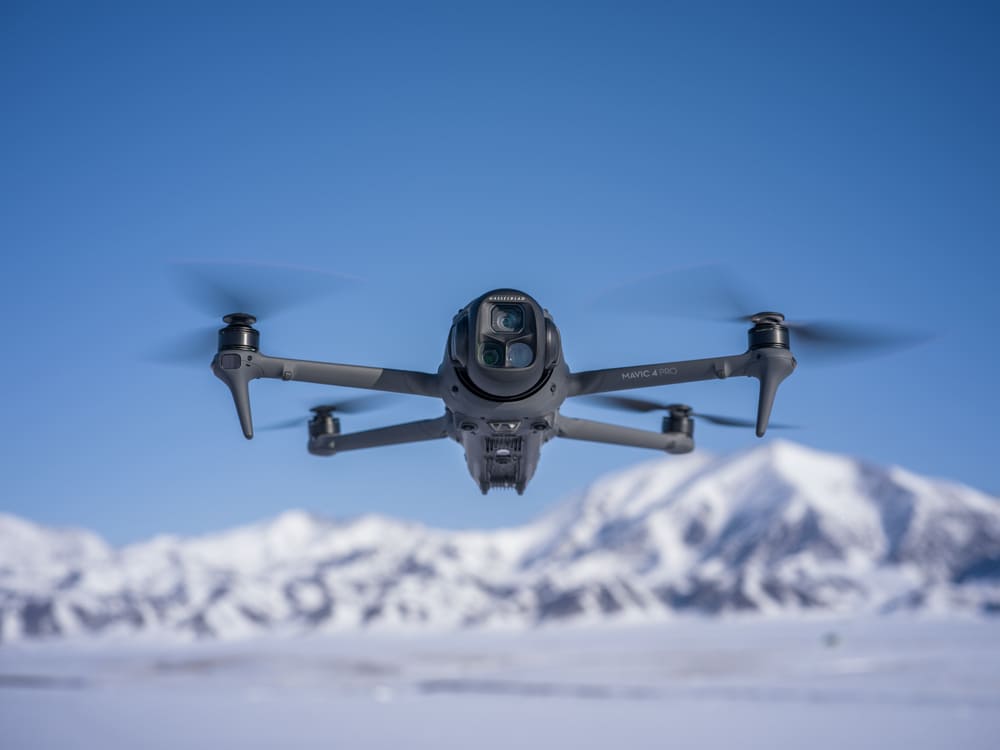
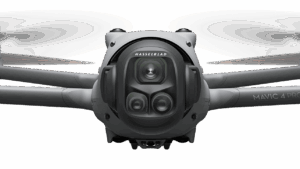
DJI Mavic 4 Pro – souce: mynewsdesk
Best for:
Real estate video, tourism and hospitality campaigns, corporate film, architecture documentation.
DJI Air 3S — Best Commercial Entry Platform
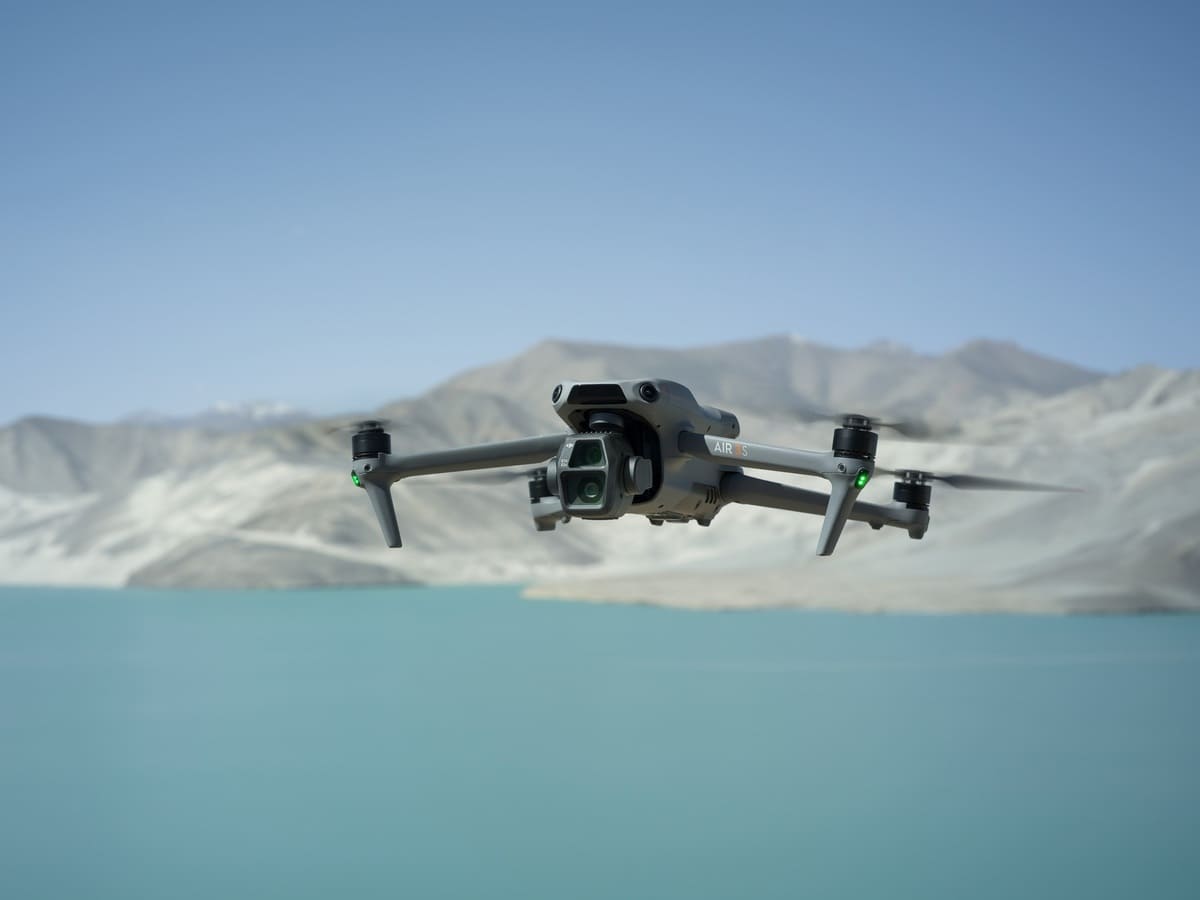
The Air 3S is the most capable drone at its price point for pilots who need to start generating commercial income before investing in a full Mavic 4 Pro setup. The 1-inch sensor produces clean footage at ISO 800 and usable results at ISO 3200 — which covers real estate and event briefs, including blue-hour property shoots and indoor-adjacent hotel lobby approaches.
The dual-camera system (wide and medium tele) covers most commercial scenarios. It won’t replace the Mavic 4 Pro’s triple-camera range, adjustable aperture, or Hasselblad colour science on a demanding production brief, but it satisfies real estate agencies, hospitality clients on mid-range budgets, and event organisers — which is the core commercial market for most independent pilots starting out.
For pilots entering commercial service work, the DJI Air 3S Fly More Combo is the right starting point — three batteries, ND filters, and enough sensor capability to deliver on real commercial briefs.
Best for:
Pilots entering commercial service work — real estate video, events, hospitality marketing, lower-budget corporate briefs.
If cinema-grade weight and cost aren’t a fit for every job, our full DJI Air 3S review covers the mid-tier option most pilots reach for instead.
DJI Inspire 3 — Best Cinema and Broadcast Platform
The Inspire 3 is not a commercial service drone in the conventional sense. It is a flying cinema camera — and the contracts it unlocks are in a completely different bracket from anything below it.
Paired with the Zenmuse X9-8K, it outputs CinemaDNG RAW at 8K with full-frame coverage, 14+ stops of dynamic range, and Apple ProRes RAW as a delivery format. That is the same latitude and colour depth as a grounded Arri or RED. When a production company needs aerial footage that intercutting with cinema camera B-roll without a visible quality drop, this is the only platform that delivers it without compromise.
The contract implications are real. Advertising production companies, broadcast documentary crews, and premium destination marketing firms have budgets that are calibrated to this level of output — and they will pay €3,000–€8,000+ for a single shoot day when the deliverable spec requires it. A pilot who owns an Inspire 3 and knows how to operate it professionally is quoting into a category where the competition is thin and the day rates reflect that.
The operational commitment is equally serious. Dual-pilot operation is strongly recommended. EASA Specific Category authorisation is required for most commercial sites. The total investment — body, Zenmuse X9, spare batteries, authorisation costs — sits at €20,000–€25,000 before you fly a single client brief. This is not an upgrade purchase. It is a business model decision.
If you’re currently shooting the Mavic 4 Pro and winning consistent commercial work, the path to the Inspire 3 is clear: secure one broadcast or premium advertising contract that explicitly requires RAW aerial delivery, then build the case from there. The day rate on a single qualified project will cover a meaningful portion of the investment.
The dual-camera system (wide and medium tele) covers most commercial scenarios. It won’t replace the Mavic 4 Pro’s triple-camera range, adjustable aperture, or Hasselblad colour science on a demanding production brief, but it satisfies real estate agencies, hospitality clients on mid-range budgets, and event organisers — which is the core commercial market for most independent pilots starting out.
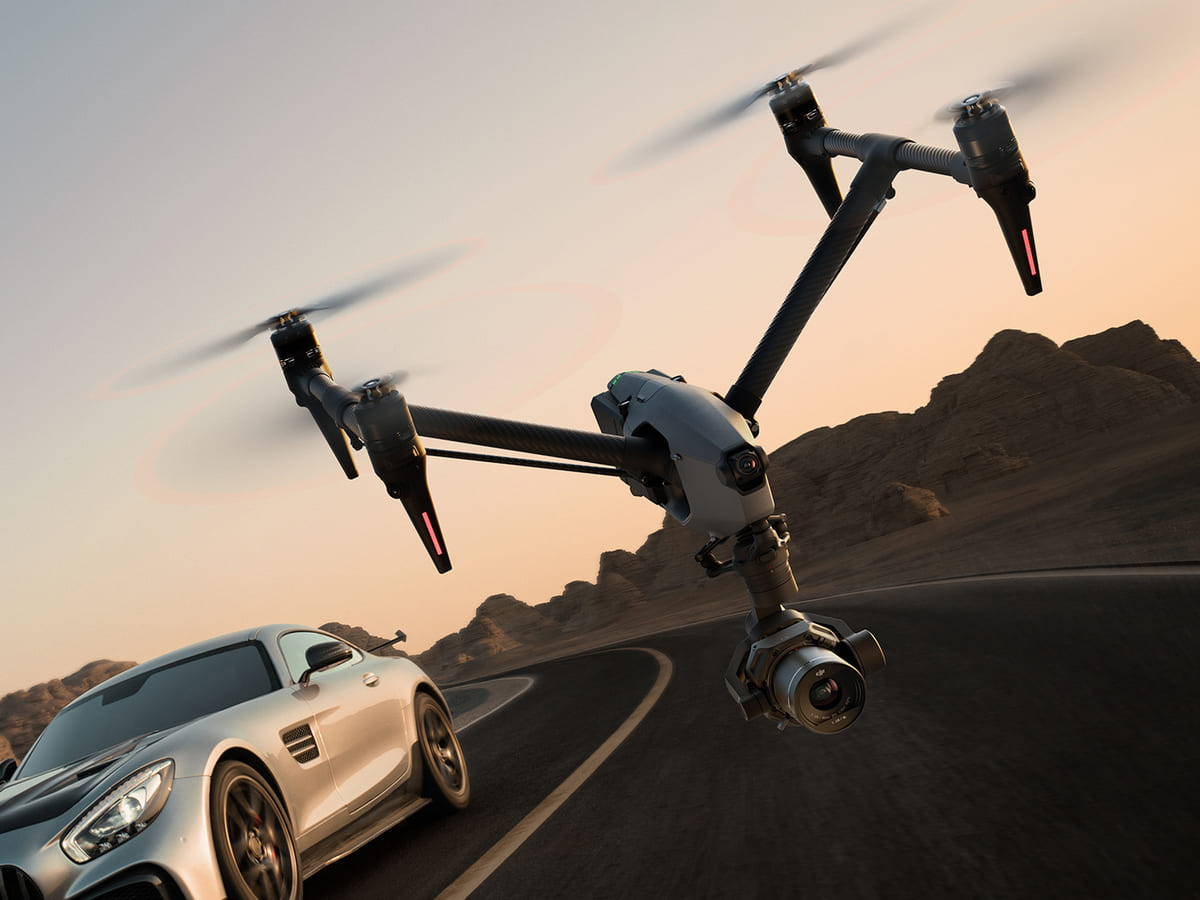
DJI Inspire 3 – souce: mynewsdesk
Best for:
Production companies, commercial directors, and operators delivering to broadcast, cinema, or premium advertising clients.
DJI Mavic 3 Enterprise — Best Inspection and Mapping Platform
This is the drone most commercial overviews overlook — and the one with the fastest-growing revenue potential in Europe. The inspection and surveying market is expanding at double-digit rates as construction firms, energy companies, and infrastructure operators standardise drone-based workflows.
The Mavic 3 Enterprise adds RTK GPS (centimetre-level positioning accuracy), a mechanical shutter for distortion-free mapping, and optional thermal imaging through the Mavic 3T variant. For construction progress documentation, it produces survey-grade orthomosaics and point clouds. For roof and solar panel inspection, the thermal sensor identifies faults invisible to RGB cameras. For infrastructure clients — bridges, wind turbines, transmission towers — it turns what was once a safety-critical manual operation into a remote, repeatable workflow.
This is not an aesthetics game. Clients in this sector pay for data and accuracy, not cinematic colour science. But the contract values — monthly site monitoring, annual inspection frameworks, insurance surveys — are typically larger and more recurring than one-off video productions.
A residential development site outside Ulm running a 14-month build programme is worth €300–€600 per monthly documentation visit — without a single additional client acquisition cost after the initial contract is signed. Add a photogrammetric survey at structural milestone stages and the annual contract value exceeds what most camera pilots earn from a dozen one-off real estate shoots. The Mavic 3 Thermal opens the same recurring model for solar operators, facilities managers, and infrastructure maintenance firms who need annual inspection cycles.
For pilots expanding into inspection and mapping, the DJI Mavic 3 Enterprise or DJI Mavic 3 Thermal [AFFILIATE LINK: ADD-YOUR-LINK-HERE] represents the highest-margin service expansion a camera drone pilot can make.
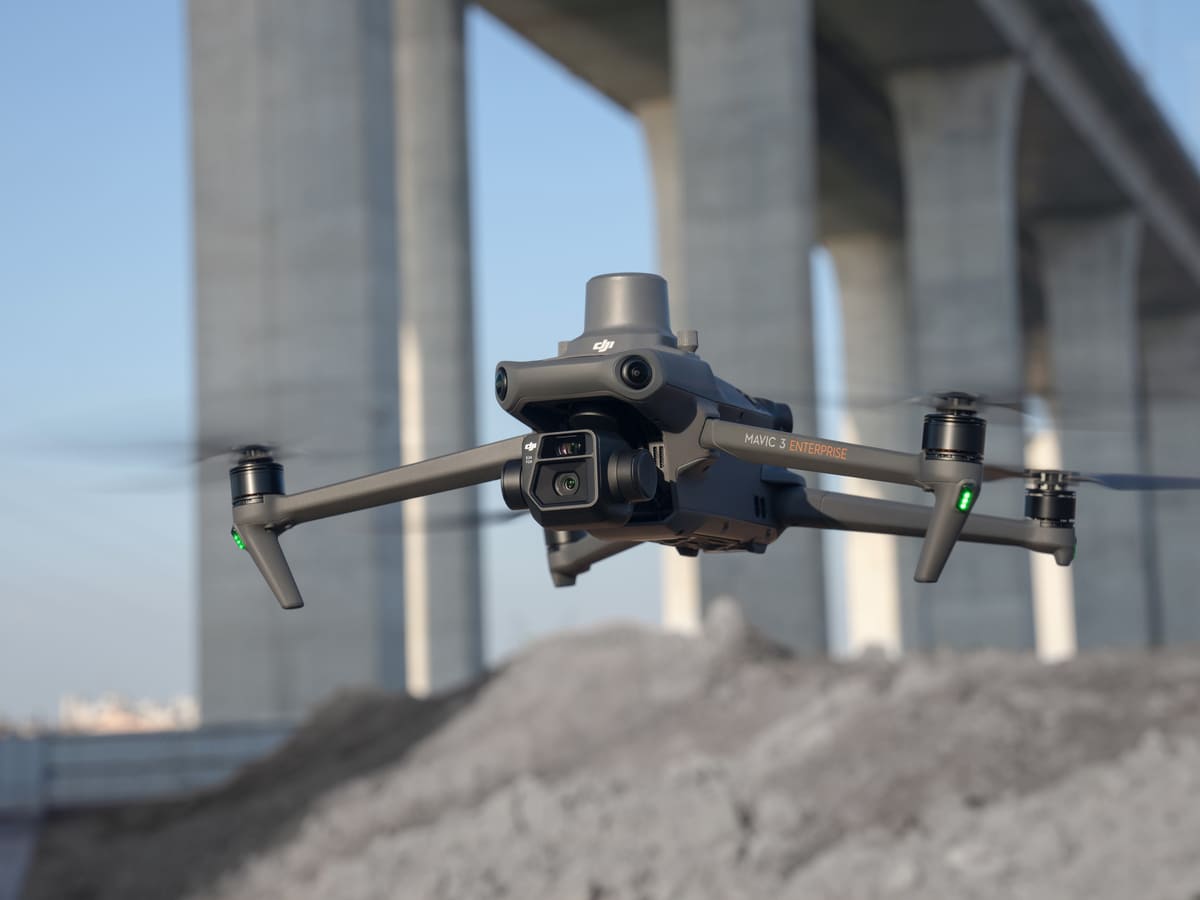
DJI Inspire 3 – souce: mynewsdesk
Best for:
Construction site monitoring, infrastructure inspection, photogrammetric mapping, solar and rooftop surveys.
Matching Your Drone to Your Service Type
The single most expensive mistake commercial pilots make is buying a drone for the footage they want to shoot rather than the contracts they want to win.
Real Estate and Architecture
For property marketing, the requirements are 4K minimum (most agencies now specify it in the brief), colour-accurate wide and telephoto coverage of the building and site, and fast turnaround. The Mavic 4 Pro handles all three — and its Infinity Gimbal adds native vertical shooting for Reels and Stories without a separate deliverable workflow. The Air 3S covers the core requirements at a lower investment point.
Typical project fees in Southern Germany: €299–€900 for residential, €900–€3,000 for commercial property depending on output scope.
See our dedicated guide: Best Drones for Real Estate Photography
Tourism, Hospitality, and Destination Marketing
This is the highest-complexity category for camera drone pilots. A hotel brand film or destination campaign requires wide cinematic establishing shots, medium-tele approach and reveal shots, and tight coverage of amenities — often across multiple lighting conditions including blue hour and golden hour.
The Mavic 4 Pro Creator Combo with 4:2:2 ALL-I encoding is the minimum platform for a premium brief in this category. The triple-camera range, Hasselblad colour science, and adjustable aperture are not optional features — they are what allows you to deliver a polished, broadcast-ready result that justifies an invoice above €1,500.
Typical project fees in Germany and Austria: €690–€3,500 depending on scope, locations, and deliverable format. See our hotel and tourism drone film service for what a production brief in this category looks like in practice.
Typical project fees in Southern Germany: €299–€900 for residential, €900–€3,000 for commercial property depending on output scope.
See our dedicated guide: Best Drones for Real Estate Photography
Construction Documentation and Site Monitoring
Construction is a recurring contract category, not a one-off project. A developer monitoring a build from groundbreak to handover needs monthly aerial documentation, and the value of that contract is built into the programme from the start.
The Mavic 3 Enterprise or Mavic 3 Thermal is the appropriate platform for photogrammetric mapping and progress surveys. For cinematic construction documentation — investor decks, press releases, social campaigns — the Mavic 4 Pro provides the visual quality those applications require.
Typical contract value in Germany: €300–€800 per monthly visit for basic documentation; €1,500–€4,000 per survey deliverable for photogrammetric outputs with client-facing reports. See our drone videography service for construction and architectural clients.
Corporate Film and Events
Events and corporate film briefs are often the highest-volume category for independent commercial pilots. One event can generate a full day’s invoice. Requirements vary from basic aerial coverage (Air 3S viable) to broadcast-quality multi-camera integration (Mavic 4 Pro or Inspire 3 required).
The differentiator is colour matching. If your aerial footage needs to intercut with footage from a ground-based cinema camera in post, the platform must produce a LOG output that grades to a consistent look. Consumer drones cannot do this reliably. The Mavic 4 Pro’s D-Log M matches to standard cinema LUTs without heavy correction. See our event and festival drone film service for brief requirements typical in this category.
For more on manual exposure and colour settings in the field, see Manual Drone Camera Settings: ISO, Shutter, Aperture Explained.
Must-Have Accessories for Professional Drone Work
Three accessories directly affect your ability to deliver on commercial briefs. None are optional.
ND Filter Set
The Mavic 4 Pro’s main wide camera has a built-in electronic ND filter system — a genuine operational improvement over the Mavic 3 Pro, which required physical lens attachments. For the wide camera, you no longer need a filter kit to hold the 180-degree shutter rule in bright conditions.
The telephoto cameras are a different story. The 70mm and 168mm lenses on the Mavic 4 Pro still require physical ND filters in high-brightness conditions, and the DJI Air 3S has no built-in ND system at all. For any professional shooting in Southern German summer light at 4K/25fps, the maths remain the same: without the right ND, shutter speeds exceed 1/500s and the motion becomes harsh and stuttery — immediately visible to an experienced client.
A matched physical ND filter set for the Mavic 4 Pro telephoto cameras or Air 3S costs €60–€130 and remains a necessary purchase even for Mavic 4 Pro owners.
Use the free ND Filter Calculator to find the exact filter strength for any lighting condition before the shoot.
Extra Batteries and a Charging Hub
A commercial brief rarely fits into one or two batteries. Real estate shoots require multiple angles and orientations. Construction surveys need complete site coverage. Tourism campaigns involve multi-location days. Plan for a minimum of four charged batteries per shoot day.
Running out of battery during a commissioned shoot is not a technical failure. It’s a professionalism failure that costs you the repeat booking.
DJI RC Pro 2 Controller
The Mavic 4 Pro’s Creator Combo includes the new RC Pro 2 — a 7-inch foldable Mini-LED screen with 4 hours of battery life and 128GB of built-in storage. If you’re buying the standard Mavic 4 Pro with the RC 2 controller, upgrading to the Creator Combo for the RC Pro 2 screen is worth evaluating seriously. On Alpine shoots or coastal locations in direct sunlight, a 1,000-nit+ screen versus a phone-mount setup is not a comfort issue — it’s an exposure accuracy issue that directly affects the brief.
Stock Footage as a Secondary Revenue Layer
Here’s how professional drone pilots actually use stock platforms: they monetise footage that already exists.
Every commercial shoot produces surplus — wide establishing shots that weren’t in the final edit, alternate takes that didn’t fit the brief, sunrise coverage from a scouting day. That footage has zero additional production cost. Uploading it to Pond5, Adobe Stock, or Shutterstock converts dead drive space into passive monthly income.
This is a very different proposition from building a stock-first workflow. Pilots who plan shoots specifically for stock are optimising for the wrong market. Commercial contracts pay €500 to €3,000 per project. A stock clip earns €20 to €200 per licence with no minimum volume guarantee. The math is not close.
The correct order is: win the commercial contract, deliver the brief, upload the surplus. In that model, stock revenue compounds quietly in the background without requiring a separate shooting programme.
For metadata workflow that makes uploads efficient, see Stock Footage Metadata for Timelapse Contributors and use the Stock Footage Metadata Generator to build platform-ready metadata in under two minutes.
Read Next on Aero Timelapse
The complete guide: Best Drones: The Complete Buyer’s Guide (2026) — every category, every use case, one place.
Property work: Best Drones for Real Estate Photography — specific recommendations for estate agents, developers, and architects.
Still deciding? Drone Buying Checklist: Everything You Need to Check Before You Buy (2026) — the audit to run before any purchase decision.
Develop your skill set: The Complete Drone Videography Guide (2026) — EU regulations, cinematic technique, and commercial workflow in one guide.
Camera settings: Manual Drone Camera Settings: ISO, Shutter, Aperture Explained — exposure control for professional-grade output.
Free tools: ND Filter Calculator · Timelapse Interval Calculator · Stock Footage Metadata Generator
Frequently Asked Questions
What is the best professional drone for commercial service work in 2026?
The best professional drone for commercial service delivery in 2026 is the DJI Mavic 4 Pro, released in May 2025 and EASA C2-certified for Europe. Its 100MP Hasselblad triple-camera system shoots 6K/60fps with an adjustable f/2.0–f/11 aperture, built-in electronic ND filters, and a 360° Infinity Gimbal — covering real estate, tourism, corporate film, and event briefs from a single platform at approximately €2,099–€3,200. For pilots entering commercial work on a tighter budget, the DJI Air 3S (1-inch sensor, 4K/60fps, approximately €1,099) handles the majority of real estate and event briefs effectively.
What do professional drone pilots get paid to do commercially?
Professional drone pilots earn income primarily through four commercial service categories: real estate and property marketing video (€299–€900 residential, €900–€3,000 commercial in Germany), tourism and hospitality brand film (€690–€3,500 per project), construction site documentation and progress monitoring (€300–€800 per monthly visit; higher for photogrammetric survey deliverables), and corporate video and event coverage (€500–€2,500 per brief). Inspection and mapping services for infrastructure, solar, and energy clients are a fast-growing additional revenue stream, typically structured on annual or multi-visit contract frameworks.
What makes the DJI Mavic 3 Enterprise different from the Mavic 4 Pro?
he DJI Mavic 3 Enterprise is built for data collection and inspection work rather than cinematic production. It adds RTK GPS for centimetre-level positioning accuracy, a mechanical shutter that eliminates rolling shutter distortion during photogrammetric mapping, and an optional thermal sensor in the Mavic 3T variant for roof, solar panel, and infrastructure inspection. The Mavic 4 Pro is optimised for visual output quality — Hasselblad colour science, 6K video, adjustable aperture, and cinematic focal length coverage. They target fundamentally different commercial service categories and are not interchangeable for professional use.
Do I need special authorisation to fly professionally in Germany?
Yes. Commercial drone operations in Germany require LBA registration, a valid EU Remote Pilot Certificate (A2 CofC for drones above 900g in the C2 class), and EASA-compliant EU firmware. Operations near populated areas, above 50m AGL, or on commercial sites such as construction zones or infrastructure assets typically require Specific Category authorisation from the LBA, including an operational risk assessment under the EASA SORA framework. Budget 6–12 weeks for Specific Category approval and verify requirements for each new location type before committing to a client brief.
Is the DJI Mavic 4 Pro worth the investment for a commercial drone operator?
Yes — the DJI Mavic 4 Pro [AFFILIATE LINK: ADD-YOUR-LINK-HERE] pays back its investment (approximately €2,099–€3,200 depending on configuration) within 5–10 commercial projects for any operator with consistent pipeline. A single real estate campaign in Germany generates €299–€900. A hotel or tourism brand film generates €690–€3,500. The adjustable aperture, Infinity Gimbal with vertical shooting, and upgraded telephoto sensors also allow operators to win briefs requiring higher-specification delivery — a category that was harder to satisfy with fixed-aperture predecessors. The ROI case is straightforward for any operator actively pursuing commercial work in Europe.
What is the difference between a cinema drone and a commercial drone?
A commercial drone is any platform used for paid service delivery — real estate video, inspection, mapping, events. A cinema drone specifically refers to platforms capable of delivering broadcast-quality RAW footage for film, advertising, or television production. The DJI Inspire 3 with Zenmuse X9 is the only compact drone qualifying as a true cinema platform, outputting 8K CinemaDNG RAW with full-frame coverage. The DJI Mavic 4 Pro bridges the two categories — it delivers 6K at 60fps with Hasselblad colour science and 4:2:2 ALL-I encoding in the Creator Combo configuration, satisfying the majority of commercial production briefs, though it stops short of a broadcast RAW platform.
Should a professional drone pilot also contribute to stock footage platforms?
Yes, but as a secondary strategy, not a primary one. The correct model is to monetise surplus footage from commercial shoots rather than planning shoots specifically for stock. Every commercial brief produces unused establishing shots, alternate takes, and scouting coverage at zero additional production cost. Uploading that footage to Pond5, Adobe Stock, or Shutterstock builds a passive income layer on top of an existing commercial service business. Planning drone shoots specifically for stock, without a commercial service foundation, is a slower and less predictable income model.
Conclusion
The best professional drone for 2026 is not the one with the most impressive spec sheet. It’s the one that wins you the next contract and delivers it without compromise.
If you’re starting out in commercial work: buy the Air 3S, get your A2 CofC, take the first three real estate briefs you can find, and reinvest in the Mavic 4 Pro when the pipeline justifies it. If you’re already shooting commercially but losing premium briefs: the Mavic 4 Pro Creator Combo is the upgrade that changes the conversation with clients — adjustable aperture, vertical shooting, and 6K output in one platform. If inspection and mapping aren’t in your service offer yet: the Mavic 3 Enterprise is where the most durable recurring contracts in Europe are being written right now.
Pick the platform that matches where your business is going — not where it is. Then open the Drone Buying Checklist and verify it against your actual operational requirements before you place the order.
Full overview: Best Drones: The Complete Buyer’s Guide (2026)
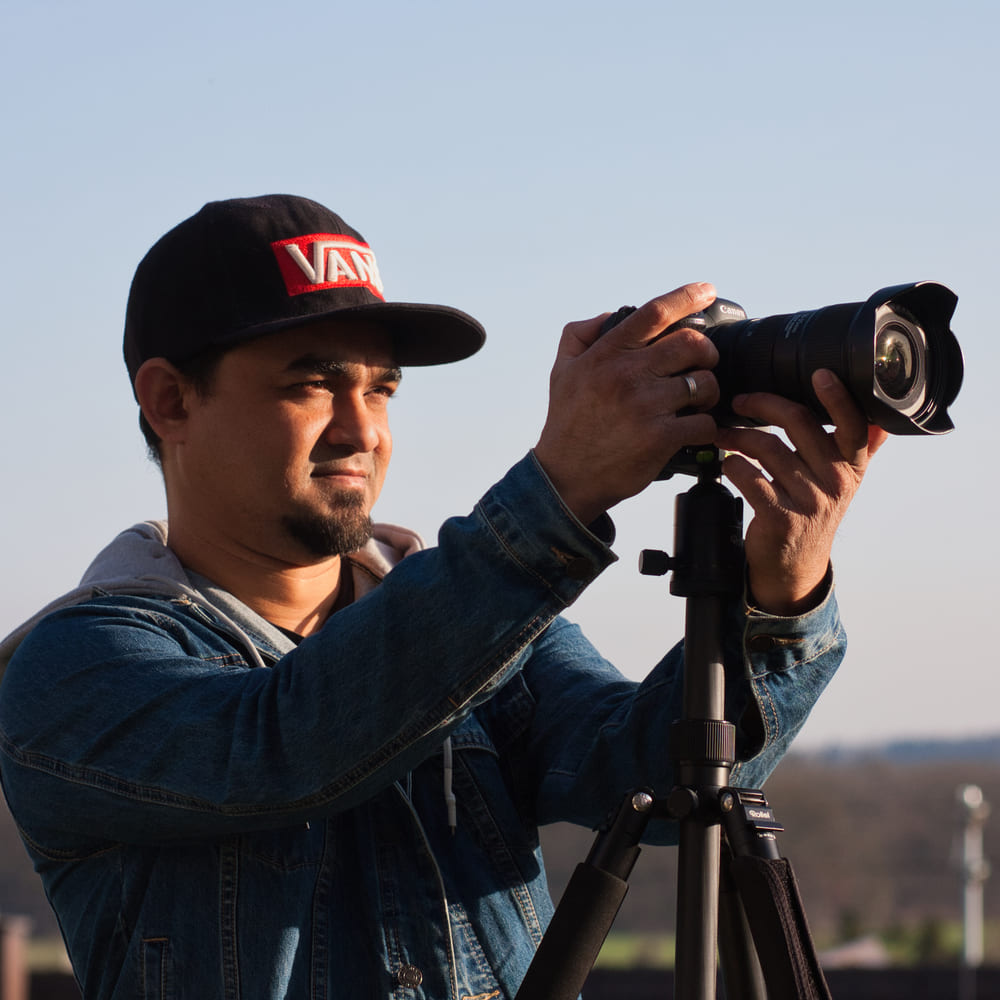
Dipon is a drone and timelapse cinematographer based in Ulm, Germany, with over 15 years of experience turning real spaces and projects into cinematic visuals. With a background in digital marketing, every shot is planned with a clear purpose — where it will appear, who will see it, and what it should help them decide.
You May Also Like
How to Shoot a Little Planet Photo With a Drone
Best Drones for Beginners (2026): Safe, Easy Picks + Buying Guide
Why Sensor Size Matters When You’re Buying a Drone
How Weather Affects Timelapse & Drone Shoots
DJI Lito X1 vs Mini 5 Pro: Which Ultralight Drone Belongs in Your Camera Bag?
DJI Mavic 4 Pro vs DJI Air 3S
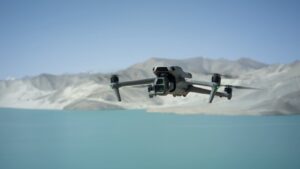
DJI Air 3S Review: The Sweet-Spot Drone for Creators and Professionals
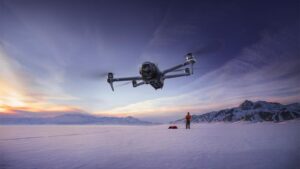
DJI Mavic 4 Pro Review: Is It Worth It for Professional Work? (2026)

Best Prime Week Drone Deals for Creators and Beginners
Drone Laws & Regulations — The Complete Legal Guide for EU Pilots (2026)

Best Timelapse Cameras Under €1,000 in 2026
DJI Lito X1 Review: The Ultimate Pocket-Sized B-Cam for Creators?
Work With Us
If you need professional drone footage for a real estate listing, hotel campaign, or construction project and want it handled by an operator who shoots commercially across Southern Germany and Europe — this is what we do.
Aero Timelapse Studio delivers production-ready 4K and 5K aerial footage with full colour grade, EU compliance, and platform-ready exports. Real estate packages from €299. Tourism and brand campaigns from €690. Construction documentation available on monthly retainer.
See our drone videography services → aerotimelapse.com/drone-videography/
Request a project quote → aerotimelapse.com/contact/