Best Drones Under 500 Euro (2026): 6 Budget Picks
Dipon | February 2026
Table of Contents
Affiliate Disclosure
This guide contains affiliate links. Purchases made through these links support Aero Timelapse Studio at no additional cost to you. I only recommend products I personally use or carefully research. As an Amazon Associate I earn from qualifying purchases.
Looking for your first or second drone, but overwhelmed by specs, YouTube reviews, and confusing price jumps between models? Especially in Germany and the wider EU, you also have to think about weight classes, CE labels and local rules on top of “is the camera any good?”.
This guide focuses only on the best drones under 500 euro that are actually worth flying and filming with – not toy quadcopters that will frustrate you after a week. The €500 ceiling also forces honest decisions, you can’t just throw money at the problem. And honestly, that’s where this price range gets interesting. Every pick here was chosen with camera quality, safety features, ease of use, and EU‑friendliness (sub‑250 g where possible, solid GPS, CE labels) in mind.
Quick Picks (TL;DR)
Best overall under €500: DJI Mini 3 – strongest mix of image quality, battery life, and sub‑250 g convenience.
Best beginner drone under 500: DJI Mini 4K – very forgiving, excellent DJI app, and one of the best cheap drones with camera in 2026.
Best camera quality under €500: DJI Flip – creator‑focused 4K60 HDR, great for social media and vlogging.
Best compact travel / selfie drone: HoverAir X1 Pro – ultra‑portable, hands‑free auto‑modes, 4K, ideal for solo travellers.
Best non‑DJI alternative under 500: Potensic Atom 2 – sub‑249 g, 4K HDR, 3‑axis gimbal, CE class C0.
Best for casual flying & kids: DJI Neo 2 – super‑simple selfie/“fun” drone with prop guards, still 4K video.
How We Chose
For this best drones under 500 guide, the focus is realistic expectations for a 2026 European buyer:
Camera quality:
Most drones here can record 4K or at least sharp 2.7K video suitable for YouTube, Instagram and real‑estate exteriors. Sensor sizes in this price range are usually between 1/2 inch and 1/1.3 inch, with bitrates and colour profiles good enough for basic grading.
Flight safety & stability:
GPS positioning, Return‑to‑Home (RTH) and at least downward sensors are standard on the better models here. A few (like DJI Flip, HoverAir X1 Pro) add more advanced sensing or propeller cages for extra safety.
Ease of use:
Beginner modes, clear on‑screen tutorials, and solid companion apps were critical. DJI’s Fly app and Potensic’s Atom app are particularly mature for this budget, which matters a lot for new pilots.
Battery life:
Expect roughly 20–30 minutes of real flight per battery in calm conditions for most camera drones under 500 euro, with some claiming up to ~30+ minutes. HoverAir’s selfie drone is shorter (around 15–16 minutes) but designed for quick clips.
Portability & weight classes:
Sub‑250 g drones (DJI Mini line, Potensic Atom 2, HoverAir, DJI Neo) are a big win in the EU: they generally fall into the more permissive A1 category under EASA rules if they carry the correct C0/C1 class label. This is especially relevant in Germany, where heavier drones face stricter operating limitations.
Reliability & ecosystem:
Established brands (DJI, Potensic, Holy Stone, HoverAir) with firmware updates, available spare parts and good accessory ecosystems were preferred over obscure models.
Legal practicality in EU/Germany:
Sub‑250 g drones plus a visible CE/C‑class marking are often the easiest path for beginners.
Flying in Germany adds a layer most international reviews skip entirely. The weight class conversation is real – a 260 g drone and a 249 g drone can mean completely different paperwork, and that matters when you’re flying in a city centre.
At this budget, you usually trade off some mix of sensor size, wind resistance, advanced obstacle avoidance and professional codecs. The goal is a drone that’s fun, safe and good enough for serious hobby content – not a cinema rig.
Comparison Table
| Drone | Approx. Price Tier (DE/EU) | Camera Highlights | Flight Time (approx) | Weight Class | Price |
|---|---|---|---|---|---|
| DJI Mini 3 | ≈€350–450 (often on sale) | 1/1.3" sensor, 4K HDR, vertical video | Up to ~38 min (ideal) | <250 g | Check Latest Price |
| DJI Mini 4K | ≈€250–320 | 1/2.3" sensor, 4K/30, 12 MP photos | Up to ~31 min | <250 g | Check Latest Price |
| DJI Flip | ≈€400–480 | 1/1.3" sensor, 4K/60 HDR, 48 MP stills | Around 30+ min | <250 g (check specs) | Check Latest Price |
| DJI Neo 2 | ≈€239–399 (Fly Solo to Fly More Combo) | 1/2" CMOS, 4K/100fps, 12 MP, 2-axis gimbal + EIS, omnidirectional obstacle sensing, 49 GB internal storage | Up to ~19 min | ~151 g | Check Latest Price |
| Potensic Atom 2 | ≈€220–390 depending on kit | 1/2" CMOS, 4K HDR, 48 MP, 3‑axis gimbal | Up to ~32 min | <249 g, CE C0 | Check Latest Price |
| HoverAir X1 Pro | ≈€350–450 depending on bundle | 1/2" sensor, 4K/60, vertical 2.7K | Up to ~16 min | ~191 g | Check Latest Price |
DJI Mini 3 — Best for “serious but still affordable” aerial filming
Best for:
First‑time buyers or upgraders who want serious 4K video and long flights while staying under 250 g.
Why it made the list:
1/1.3″ sensor delivers noticeably better dynamic range than older budget minis – great for sunsets and high‑contrast scenes.
4K HDR video and true vertical shooting are ideal for TikTok/Reels without extra cropping.
Long advertised flight time (around 38 minutes in ideal conditions) means fewer battery swaps on location.
Mature DJI Fly app with beginner tutorials, QuickShots and RTH gives a gentle learning curve.
Under 250 g, making it attractive in the EU’s A1 category (check the C‑class label when buying).
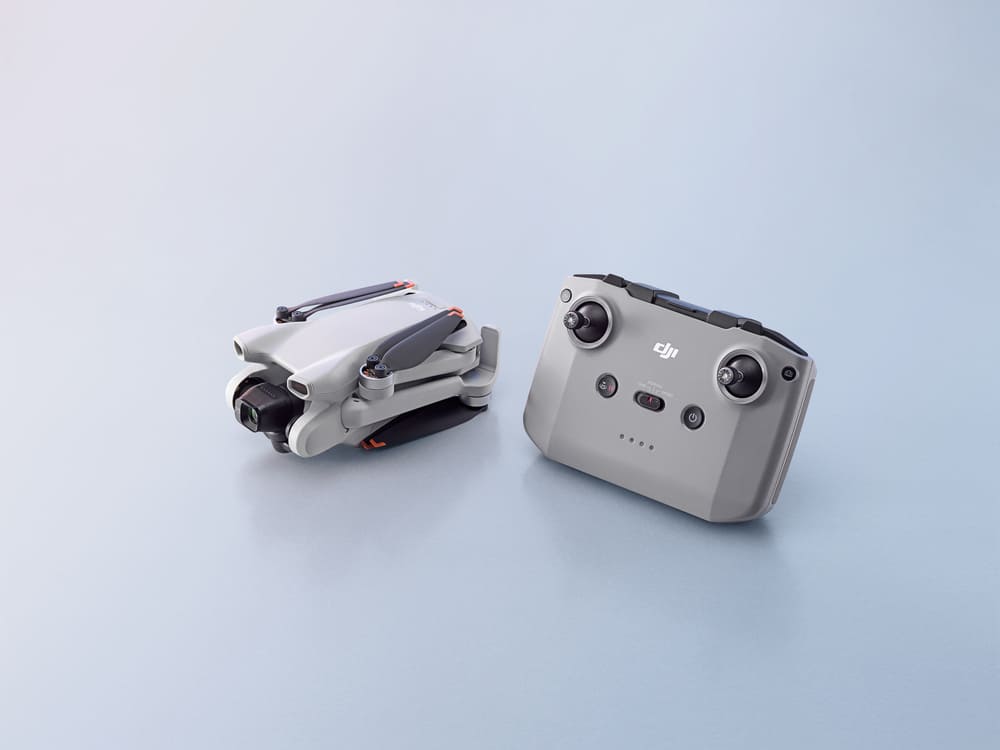
DJI Mini 3. source: mynewsdesk.com
Where it struggles:
No full omnidirectional obstacle avoidance – mainly downward sensing, so you still need to fly with care.
Wind resistance is good for its size, but heavier models still feel more locked‑in on very windy days.
Some advanced tracking modes are reserved for higher‑end DJI models.
Real-world use cases:
Travel vlogs and city trips around Europe (fits in any small camera bag).
Real‑estate exteriors and small property overviews.
Social content (vertical video), basic client work and YouTube b‑roll.
Learning more advanced moves once you’re past total beginner stage.
Buy it if… / Skip it if…
Buy it if you want one of the most capable best drones under 500 for serious hobby filming, with room to grow.
Skip it if you absolutely need advanced tracking, obstacle sensing in multiple directions, or pro codecs – then look at higher‑end models like the Mini 5 Pro:
The Mini 3 is the drone I’d hand to a friend who’s never flown before and wants to come back with usable footage the same day. The learning curve is genuinely gentle. If you want to deep dive, check our full review on DJI Mini 5 Pro
DJI Mini 4K — Best beginner drone under 500
Best for:
EU beginners who want a cheap drone with camera that still delivers real 4K and a polished flying experience.
Why it made the list:
Typically one of the most affordable 4K drones under 500, often closer to the €250–300 mark.
1/2.3″ sensor with 4K/30 video and 12 MP stills is more than good enough for web, social and basic client footage.
Lightweight (<250 g) and compact – very travel‑friendly for Germany/EU weekend trips.
Same DJI Fly app as the more expensive models, so your learning carries over if you upgrade later.
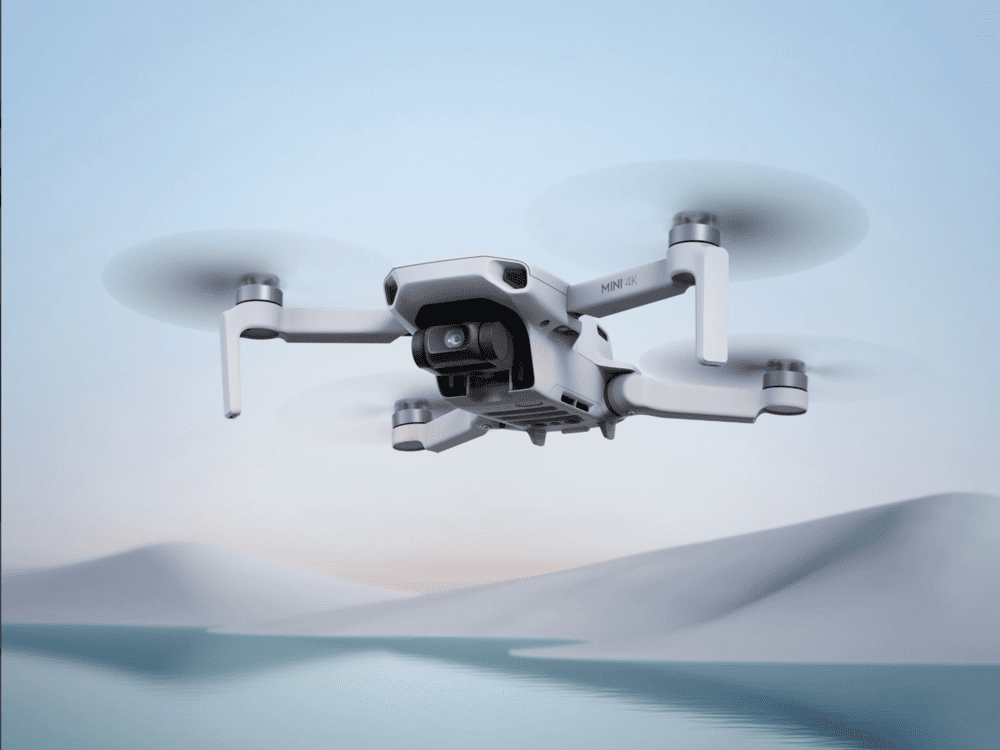
DJI Mini 4K
Where it struggles:
Low‑light performance is behind the Mini 3 / Flip due to the smaller sensor.
No fancy omnidirectional obstacle avoidance; mainly basic downward sensing.
Fewer “pro” settings and profiles than higher DJI tiers.
Real-world use cases:
First drone to learn basic cinematic moves and composition.
Drone for casual travel content, cycling tours or city visits around Europe.
Simple aerial shots for local businesses (cafés, small B&Bs, etc.).
Buy it if… / Skip it if…
Buy it if you want the best drone for beginners under 500 from DJI with the least pain and the lowest risk.
Skip it if you already know you care a lot about low‑light quality and advanced colour grading – in that case stretch to the Mini 3 or Flip.
DJI Flip — Best camera quality & creator features under €500
Best for:
Content creators who want the most advanced camera and flight features still under 500 euro.
Why it made the list:
Uses a 1/1.3″ sensor similar to higher‑end DJI cameras, with 4K/60 HDR and 48 MP photos – excellent for this budget.
Strong slow‑motion options and 10‑bit profiles (check official specs) give more flexibility in colour grading.
Designed for creators: compact, foldable, easy to throw in a sling bag, often with prop guards available for close‑range shots.
Intelligent modes and robust stabilization help you get usable footage even if your piloting isn’t perfect.
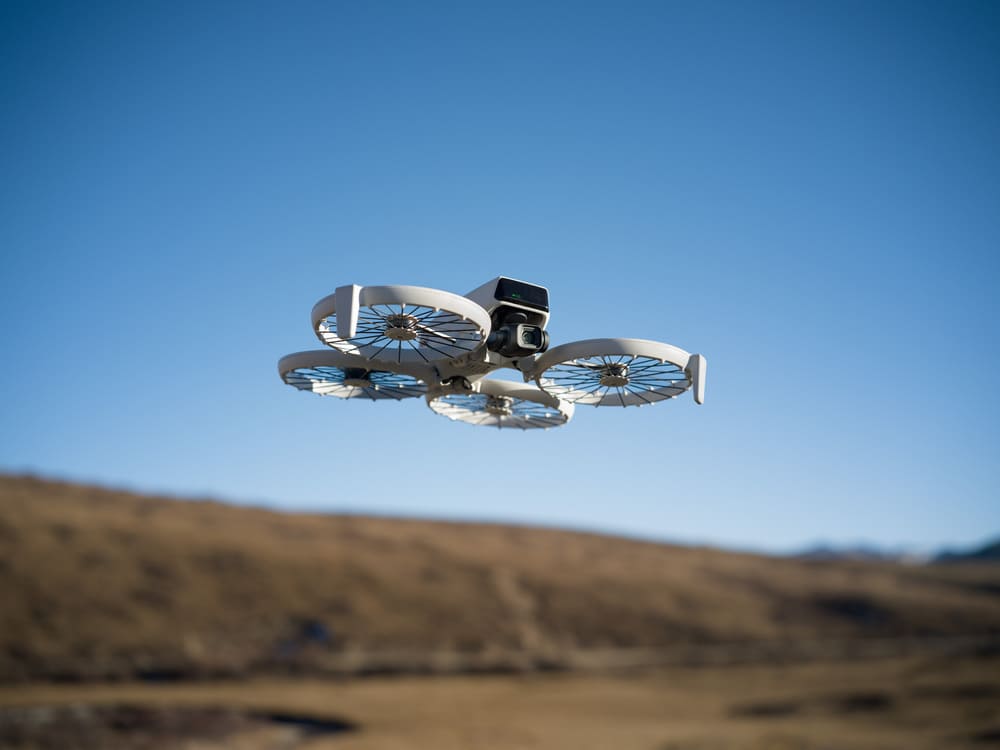
DJI Flip. source: dji
Where it struggles:
Generally pricier than Mini 4K and sometimes Mini 3 – often closer to the top of the €400–500 bracket.
More features = more menu options; total beginners may feel slightly overwhelmed at first. That said, spend one afternoon in the app and it clicks. The Flip rewards the extra five minutes of setup.
Battery and accessory costs can add up if you shoot a lot.
Real-world use cases:
Lifestyle, travel and sports content for Instagram, TikTok and YouTube.
Hyperlapse/Timelapse experiments.
Short commercial clips for local clients who want “wow factor” on a budget.
Buy it if… / Skip it if…
Buy it if you want the highest camera ceiling and creator‑oriented features in the best drones under 500 euro.
Skip it if you just want something simple and cheap to learn on – choose Mini 4K or DJI Neo instead.
DJI Neo 2 — Best for kids, families and casual flying
Best for:
People who mainly want fun, safe clips and selfies, with smarter obstacle avoidance than anything at this price.
Why it made the list:
- At just 151 g, the Neo 2 is DJI’s lightest drone to feature full omnidirectional obstacle sensing — a major upgrade over the original Neo which could only see what was below it.
- 4K/60fps video, bigger 49GB internal storage, Gesture Control and omnidirectional obstacle avoidance make this feel like a much more capable drone than its price suggests.
- Palm take-off and landing, intuitive gesture and voice control, and built-in SelfieShot and ActiveTrack modes make capturing dynamic, social-friendly aerial shots effortless.
- Starting at €239 in the EU it comfortably sits within the under-500-euro ceiling even with the Fly More bundle.
- Sub-250 g with prop guards included — still very beginner-friendly and safe to fly around people.
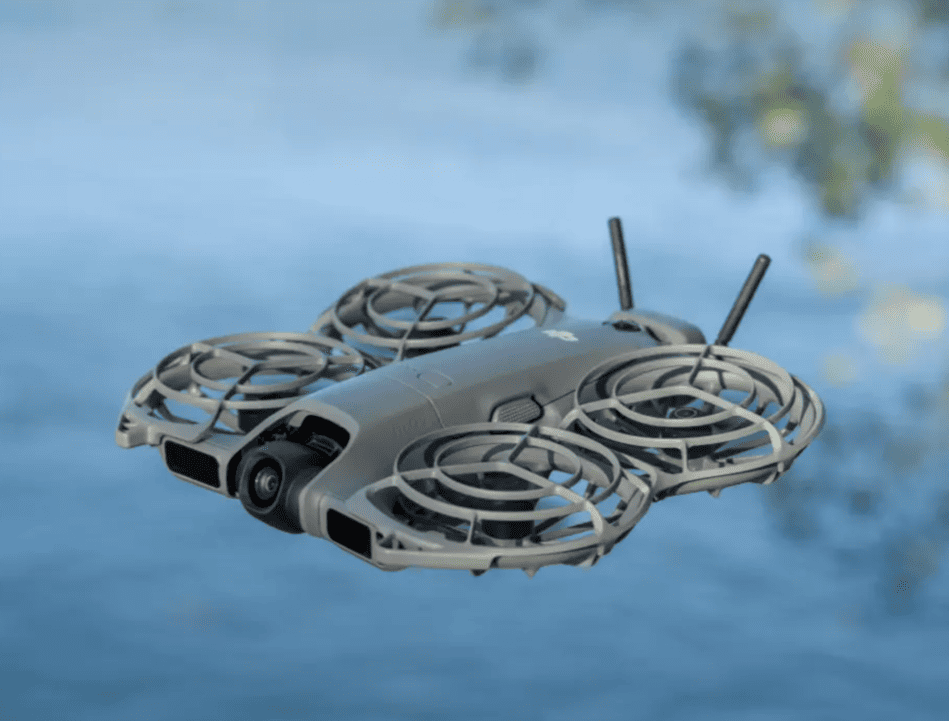
DJI Neo 2
Where it struggles:
- Battery life isn’t the best and there’s no MicroSD slot for expanding storage, you’re limited to the built-in 49GB.
- Ships as a WiFi-only drone, for extended range you’ll need the optional transceiver module, sold separately. The transceiver module is worth buying if you plan anything beyond garden-level flying. The range difference in open areas is noticeable.
- Flight time is still around 19 minutes per battery, shorter than the Mini line; consider the Fly More bundle if you plan longer sessions.
Real-world use cases:
- Family holidays, hiking clips and casual vlogs where you want the drone to follow you without a dedicated pilot.
- Safe “first drone” for teenagers — prop guards and omnidirectional obstacle sensing reduce the stress considerably.
- Quick social clips for TikTok and Instagram — vertical video support and gesture control are built specifically for this.
- Short B-roll on city trips where portability matters more than full manual control.
Buy it if… / Skip it if…
- Buy it if you want a super simple, fun, sub-250 g drone with proper obstacle avoidance and you don’t need full manual camera control.
- Skip it if your main priority is cinematic drone footage with full manual exposure — then the Mini 3, Mini 4K or Potensic Atom 2 are better fits.
Potensic Atom 2 — Best non‑DJI alternative under 500
Best for:
Anyone who wants a capable DJI alternative with strong specs, but prefers not to buy into DJI’s ecosystem.
Why it made the list:
Sub‑249 g with CE class C0, meaning it fits neatly into easier EU categories (useful in Germany’s A1 environment).
1/2″ CMOS sensor with 4K HDR video, 48 MP photos and a 3‑axis mechanical gimbal – impressive at this price.
Claimed flight time up to around 32 minutes, very competitive for a budget drone.
Smart features like AI follow, QuickShots and vertical shooting make it a real rival to DJI Mini 4K.
Often priced from the low‑€200s upward, still under €500 for Fly More combos.
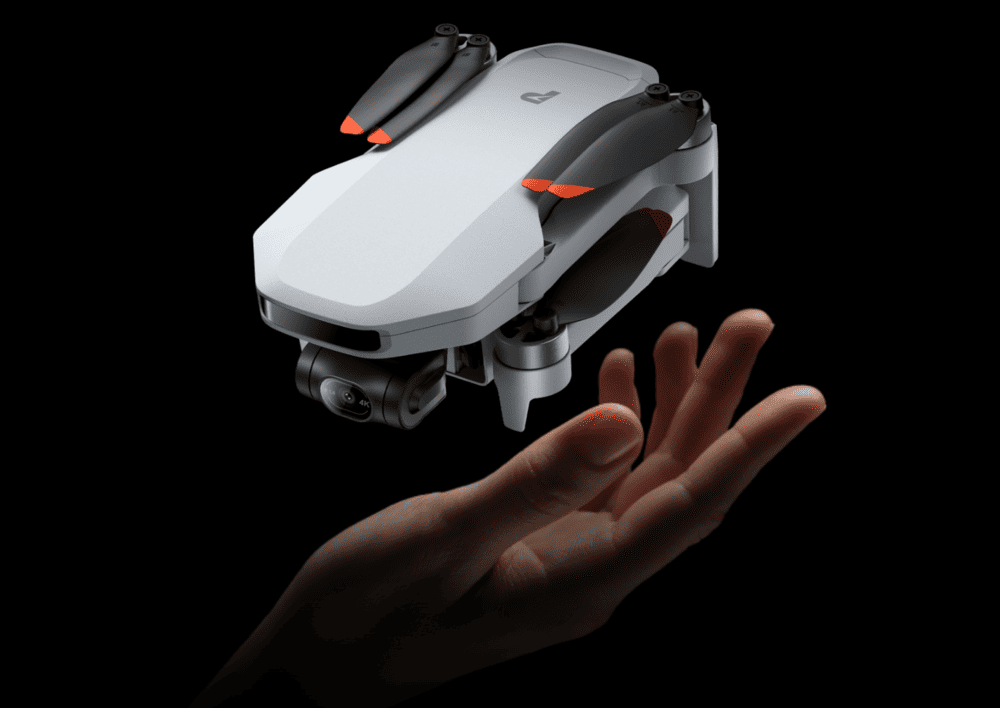
Potensic Atom 2. source: Potensic
Where it struggles:
App and ecosystem are not as mature as DJI’s; firmware updates can be less frequent. That gap has narrowed significantly with recent updates, it’s no longer a dealbreaker, just something to be aware of.
Fewer third‑party accessories and tutorials compared to DJI models.
Real-world use cases:
Travel and landscape footage across Europe without relying on DJI.
Social media content, cycling or hiking vlogs.
Learning gimbal moves and composition on a budget.
Buy it if… / Skip it if…
Buy it if you’re actively looking for the best DJI alternatives under 500 with real 4K and a proper gimbal.
Skip it if you want the absolute smoothest ecosystem, polished app and widest community support – that still belongs to DJI.
HoverAir X1 Pro — Best compact travel & selfie drone
Best for:
Solo travellers, cyclists and outdoor enthusiasts who want hands‑free 4K clips more than a classic “GPS drone”.
Why it made the list:
Very light (around 191 g) with a full protective cage, designed to fly close to people safely.
1/2″ sensor, 4K up to 60 fps, plus vertical formats – excellent for quick social content.
Fully automated modes (follow, orbit, bird’s eye, etc.) trigger via buttons or a small controller – no flying skills needed.
Price for the Pro version typically stays in the €350–450 band in Europe, keeping it under 500 euro.
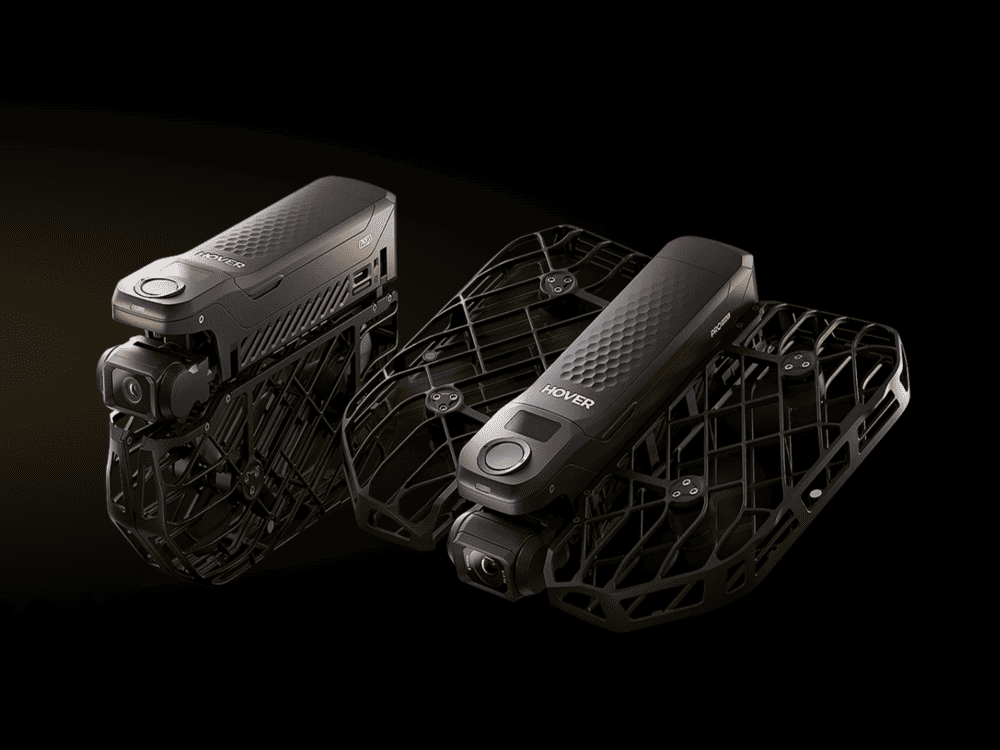
HoverAir X1. source: Hoverair
Where it struggles:
Shorter flight time (around 16 minutes) – very much a “clip machine”, not an all‑day platform.
Not a traditional long‑range GPS drone; it’s closer to a smart flying camera. Think of it less as a drone and more as a flying action camera. Once you accept that, it’s brilliant at what it does.
Less suitable for precise framing of distant landscapes or property.
Real-world use cases:
Self‑filming cycling, skiing or hiking without a dedicated pilot.
Quick clips in European cities where you can fly legally and safely at low altitudes.
Supplementing a main drone (e.g. Mini 3) with a handheld‑style flying camera.
Buy it if… / Skip it if…
Buy it if your priority is hands‑free clips of yourself, not long, fully manual flights.
Skip it if you mainly want a classic camera drone for landscape, property and controlled cinematic moves – then Mini 3 or Potensic Atom 2 fit better.
What to Expect From a Drone Under 500 Euro
In 2026, budget drones 2026 in the €300–500 bracket are very capable. You can realistically expect:
Stable 4K or 2.7K footage with decent dynamic range for web and social media.
GPS positioning, Return‑to‑Home, and reasonably precise hovering.
Flight times per battery in the 20–30 minute range for most sub‑250 g camera drones.
What you usually won’t get under 500 euro:
Large sensors (1‑inch and above), high bit‑depth RAW video or pro codecs.
Full omnidirectional obstacle avoidance – most budget drones only have downward or limited forward sensing.
Rock‑solid performance in strong wind; sub‑250 g drones are better than older toys, but still light.
For beginners, safety, simplicity and legal practicality are more important than squeezing the last 5% of image quality. Intermediate users will care more about sensor size, bitrates and manual exposure.
At this budget:
Must‑have:
GPS + RTH
3‑axis gimbal or good EIS
At least 2.7K, ideally 4K video
CE marking and clear C‑class for EU
Nice‑to‑have:
Vertical video mode
Basic active tracking and QuickShots
3‑battery “Fly More” bundles
Overrated:
Ultra‑long transmission ranges
8K recording (storage‑heavy, not needed for social media)
Advanced log profiles, unless you already know colour grading
Buying Guide: How to Choose the Right Sub‑€500 Drone
1. Define your main use case
Before fixating on specs, decide what you’ll actually shoot:
Travel & city trips: Prioritise portability and sub‑250 g models like DJI Mini 3, Mini 4K, Potensic Atom 2, DJI Neo or HoverAir X1 Pro.
Real estate & small business: Camera quality and controllability matter – Mini 3, Potensic Atom 2, or DJI Flip are strong.
Social media & vlogging: Vertical video + creator modes: Mini 3, DJI Flip, HoverAir X1 Pro.
Learning to fly / practice: Mini 4K, DJI Neo or Holy Stone HS720E (if you accept heavier EU rules).
2. Prioritize camera vs safety vs range
You rarely get “everything” in the best drones under 500 price point:
If camera first:
Look for the larger sensors (1/1.3″, 1/2″) and 3‑axis gimbals where possible.
Good picks: DJI Flip, DJI Mini 3, Potensic Atom 2.
If safety/confidence:
Prioritise sub‑250 g, GPS, RTH and good tutorials.
Good picks: DJI Mini 4K, DJI Neo, Mini 3.
If learning/manual flying:
Durability + cheap props + non‑premium price can matter more.
Good picks: Holy Stone HS720E, Mini 4K, Potensic Atom 2.
3. Think about local rules
In Germany and across the EU:
Sub‑250 g drones with the right C‑class label generally fall into the most flexible A1 category, making life easier in many environments.
Heavier drones (like HS720E) move into stricter categories and often require additional distance to people, plus more careful planning.
This article isn’t legal advice. For a practical breakdown of registration, insurance, EU classes and real‑world examples, see:
4. Budget for accessories
The headline “€500 budget” often ends up closer to €550–650 once you add essentials – especially if you buy Fly More kits.
Typical must‑haves:
1–2 extra batteries
ND filters (crucial for cinematic motion blur)
A protective case or small backpack
You can absolutely start with just the drone + one battery and upgrade later, but be aware that a single battery often feels limiting once you start enjoying flying and filming.
Frequently Asked Questions
Can I get real 4K video quality at this price?
Absolutely. Most drones in this guide offer 4K recording, with some (Flip, HoverAir X1 Pro, Atom 2) going up to 4K/60 fps in certain modes. The limiting factors become sensor size, bit‑depth and your own shooting technique, not just resolution.
Is a drone under €500 good enough for real estate photos?
Yes, for small residential properties and online listings, a DJI Mini 3, Mini 4K, Potensic Atom 2 or even a well‑handled DJI Flip can deliver more than enough quality. Just make sure you respect local aviation and privacy rules and use ND filters for smoother video. For higher‑end real‑estate packages, you may later upgrade to a larger‑sensor drone.
How important is sub‑250 g in Europe?
Very important for beginners. Sub‑250 g models with the correct EU C‑class label typically fall into more permissive A1 rules and make it easier to comply in cities and residential areas. It also reduces bureaucracy for casual hobby flying.
Do I need drone insurance at this budget?
In many EU countries, liability insurance for drones is either mandatory or strongly recommended, regardless of price. Even a cheap drone can cause damage. Many insurers now offer dedicated drone or hobby UAV coverage – check local requirements. From my own experience, it genuinely changes how you fly — you stop second-guessing every approach near a building and just focus on the shot.
How many batteries should I buy to start?
For most camera drones, two batteries is the sweet spot: one in the drone, one charging or ready. If you plan longer sessions (e.g. half‑day real‑estate shoots or travel days), a third battery quickly pays off.
Are non‑DJI budget drones worth it?
Yes – especially models like the Potensic Atom 2 and, in some cases, Holy Stone HS720E. They can offer strong value and avoid the DJI ecosystem. Just accept that app polish, resale value and community support tend to be stronger with DJI.
How long will a budget drone stay “good enough” before upgrading?
For most hobbyists, a solid 4K drone under 500 will stay useful for 2–4 years, provided you don’t crash it and you keep firmware updated. Upgrades usually become interesting once you either:
outgrow the sensor (need better low light),
need advanced obstacle avoidance, or
start charging clients and want redundancy plus higher‑end tools.
Conclusion
You don’t need to spend four figures to get a capable, fun and genuinely useful camera drone. The current crop of best drones under 500 in 2026 gives you 4K video, GPS, RTH and EU‑friendly weight classes – enough for travel films, real‑estate basics and high‑quality social content.
To recap the strongest picks:
DJI Mini 3 – the best all‑rounder under €500 for most people in Germany and the EU: excellent image quality, long flights, sub‑250 g and a mature ecosystem.
DJI Mini 4K – the best true beginner drone under 500, combining low cost with proper 4K and DJI’s friendly app.
Potensic Atom 2 – the leading best DJI alternative under 500, with 4K HDR, a 3‑axis gimbal and C0 classification for EU flexibility.
DJI Flip and HoverAir X1 Pro then add creator‑focused options if you care most about dynamic, shareable content.
Choose based on your use case – travel, real estate, social content or learning – rather than pure spec sheet bragging. Then invest a bit of time in exposure basics, ND filters and intentional flight paths; that’s where your footage really levels up.
Dipon is a drone and timelapse cinematographer based in Ulm, Germany, with over 15 years of experience turning real spaces and projects into cinematic visuals. With a background in digital marketing, every shot is planned with a clear purpose — where it will appear, who will see it, and what it should help them decide.
You May Also Like

The Complete Drone Videography Guide (2026)

Best ND Filters for Timelapse: Strength Guide & Picks

Best Drones Under 300 Euro 2026: Entry-Level Options That Actually Deliver
Manual Drone Camera Settings: ISO, Shutter, Aperture Explained
Drone Pre-flight Checklist for Beginners: Safety System for Confident Flights
Drone Flying Tutorial : Beginner to Confident Pilot
Best Drones for Beginners (2026): Safe, Easy Picks + Buying Guide

Best Drones for Real Estate Photography
DJI Mini 5 Pro Review (2026): The Ultimate Travel Drone?
Best Drones for Photography 2026: The Ultimate Buyer’s Guide
Need help capturing aerials for your next project but not ready to invest in the gear yet? Check out our Drone Videography to see how Aero Timelapse Studio can help elevate your production.